Novo-Gloss Flex 60 X Glossmeter

Novo-Gloss Flex 60 X Glossmeter

£99,999

All GBP prices are exclusive of UK VAT (where applicable)
Prices exclude local duties – Purchase through your local agent

Try before you buy

Find out more

Extended warranty

Find out more

Description

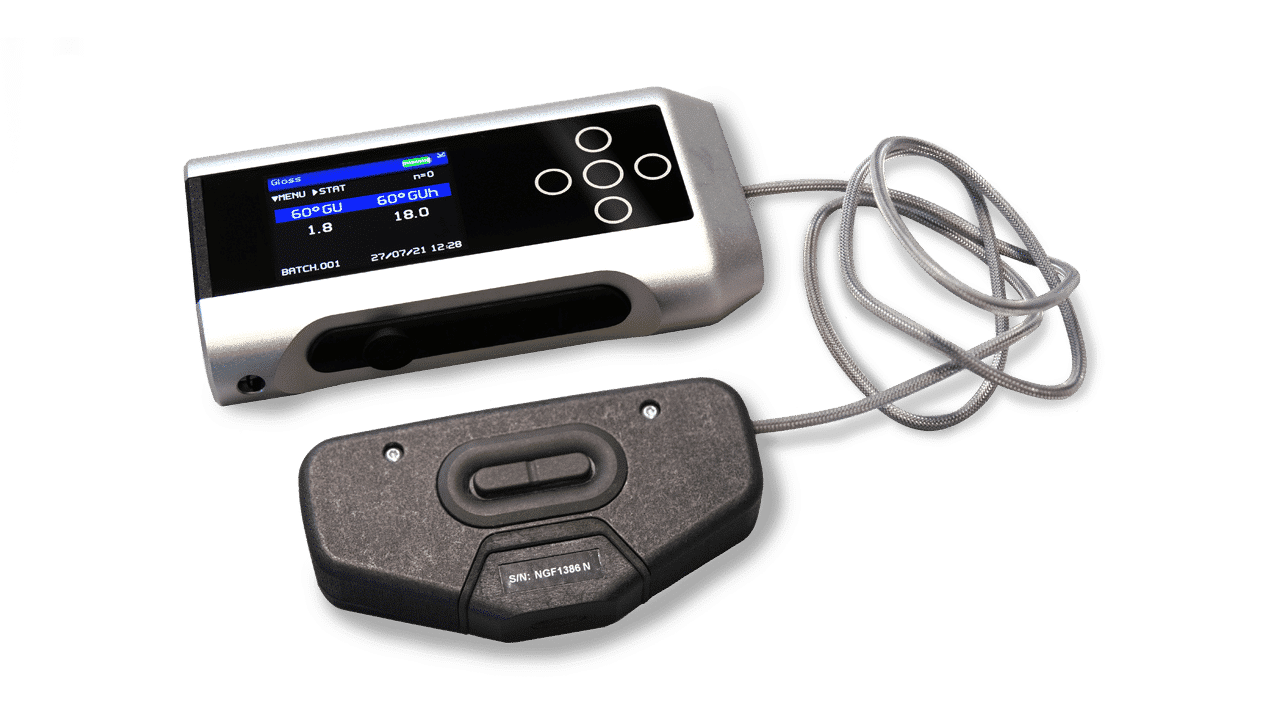
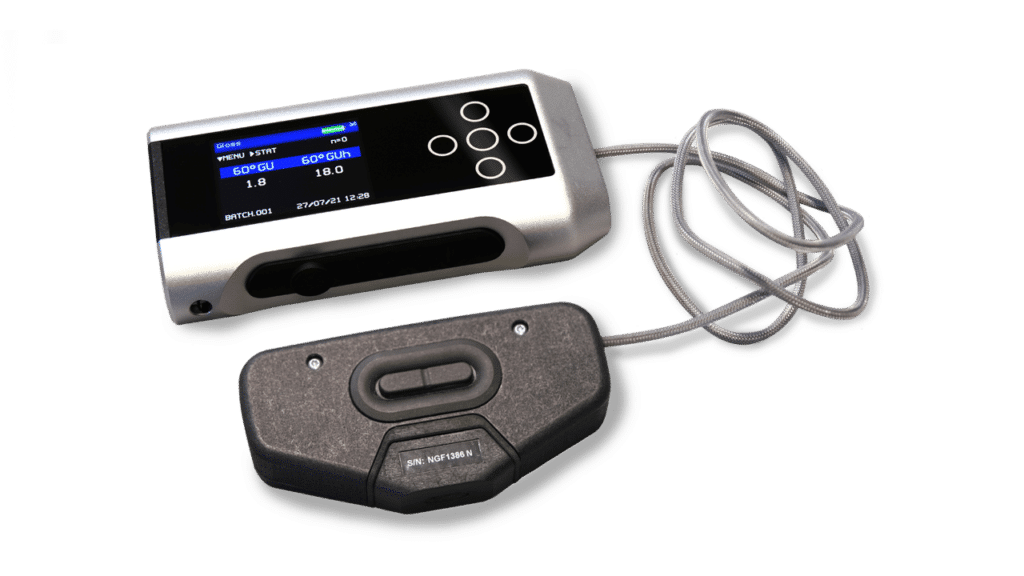
Designed specifically to measure the gloss of surfaces that cannot be measured using traditional glossmeters, the novo-gloss flex 60 X glossmeter combines the functionality and reporting of an advanced glossmeter with an ultra lightweight remote measuring head.

The Novo-Gloss Flex 60 has been designed specifically to measure low gloss surfaces. It features an additional measuring scale with a resolution 10 times greater than standard glossmeters.

This increased resolution gives a far superior level of control of surface finish.

The Novo-Gloss Flex 60 X complies to ISO 2813 and measurements made with the instrument are compatible with traditional glossmeters complying to these standards.

Why measure gloss?

Gloss is an aspect of the visual perception of objects that is as important as colour when considering the psychological impact of products on a consumer.

Gloss has been defined as ‘The attribute of surfaces that causes them to have a shiny or lustrous, metallic appearance’. The gloss of a surface can be greatly influenced by a number of factors, for example the smoothness achieved during polishing, the amount and type of coating applied or the quality of the substrate.

Manufacturers design their products to have maximum appeal: from highly reflective car body panels to glossy magazine covers or matt finish automotive interior trim.

This is especially noticeable where parts may beproduced by different manufacturers or factories butwill be placed adjacent to one another to create thefinished product.

It is important therefore that gloss levels are achieved consistently on every product or across different batches of products.

Gloss can also be a measure of the quality of the surface, for instance a drop in the gloss of a coated surface may indicate problems with its cure, leading to other failures such as poor adhesion or lack of protection for the coated surface.

It is for these reasons that many manufacturing industries monitor the gloss of their products, from cars, printing and furniture to food, pharmaceuticals and consumer electronics.

How is gloss measured?

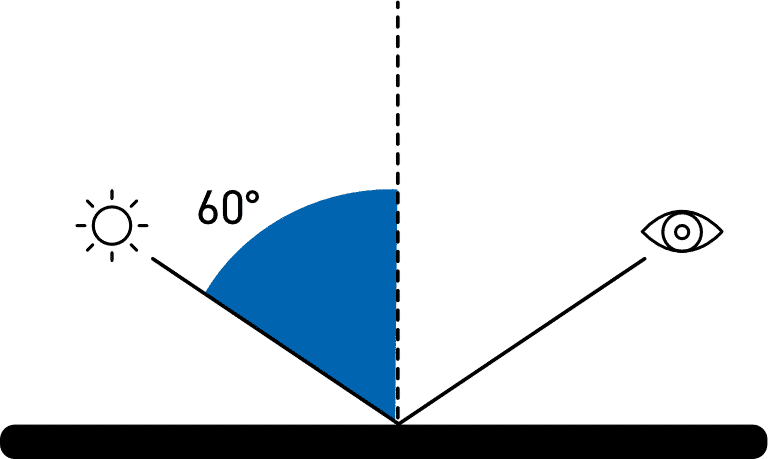
Gloss is measured by shining a known amount of light at a surface and quantifying the reflectance.

Which angle should I use for my application?

ISO 2813 and ASTM D523 (the most commonly used standards) describe three measurement angles to measure gloss across all surfaces.

Gloss is measured in gloss units (GU) and is traceable to reference standards held at NIST (USA).

Universal Measurement Angle: 60°

All gloss levels can be measured using the standard measurement angle of 60°. This is used as the reference angle with the complimentary angles of 85° and 20° often used for low and high gloss levels respectively.
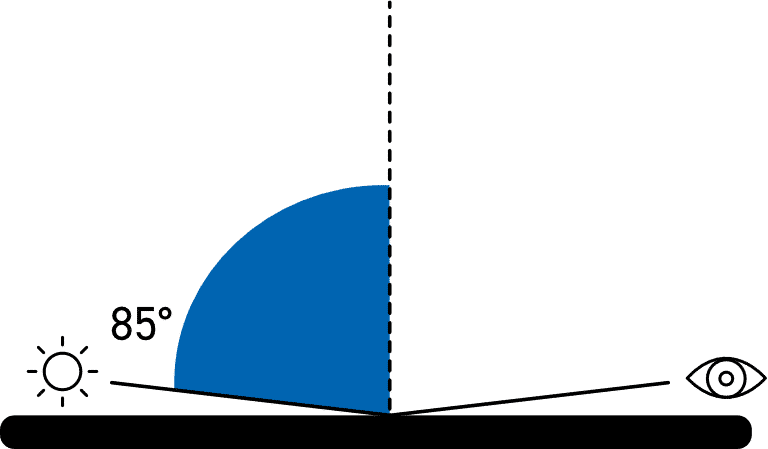
Low Gloss: 85°

For improved resolution of low gloss a grazing angle of 85° is used to measure the surface. This angle is recommended for surfaces which measure less than 10GU when measured at 60°.

This angle also has a larger measurement spot which will average out differences in the gloss of textured or slightly uneven surfaces.
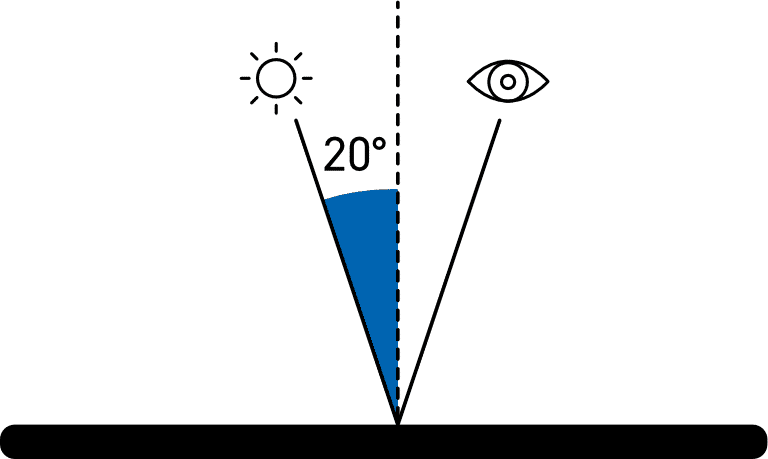
High Gloss: 20°

The acute measurement angle of 20° gives improved resolution for high gloss surfaces. Surfaces that measure 70GU and above at the standard angle of 60° are often measured with this geometry.

The 20° angle is more sensitive to haze effects that affect the appearance of a surface.

Speciality measuring angle: 45°

This measuring angle is in accordance with the ISO 2457 standard for the gloss measurement of plastic films and solid plastic parts as well as according to the standard ASTM C346 for the gloss measurement of ceramics

Universal Measurement Angle: 60°

All gloss levels can be measured using the standard measurement angle of 60°. This is used as the reference angle with the complimentary angles of 85° and 20° often used for low and high gloss levels respectively.

Low Gloss: 85°

For improved resolution of low gloss a grazing angle of 85° is used to measure the surface. This angle is recommended for surfaces which measure less than 10GU when measured at 60°.

This angle also has a larger measurement spot which will average out differences in the gloss of textured or slightly uneven surfaces.

High Gloss: 20°

The acute measurement angle of 20° gives improved resolution for high gloss surfaces. Surfaces that measure 70GU and above at the standard angle of 60° are often measured with this geometry.

The 20° angle is more sensitive to haze effects that affect the appearance of a surface.
To quantify haze, distinctness of image, reflected image quality and other surface texturing please consider the Rhopoint IQ.

Features and Applications

Designed for the measurement of small and curved surfaces.

Full colour easy to read screen,
display can be rotated from
landscape to portrait

Integrated measurement
button for single handed
operation

Measuring head

*GUh Only available on the NovoGloss Flex 60 Standard
Touch sensitive button interface

Easy to control and take measurements

Easy batching

User definable batch names and batch sizes for quicker and more efficient reporting

Automatic measurement

Single button push to initiate a defined number of measurements

Sample Applications

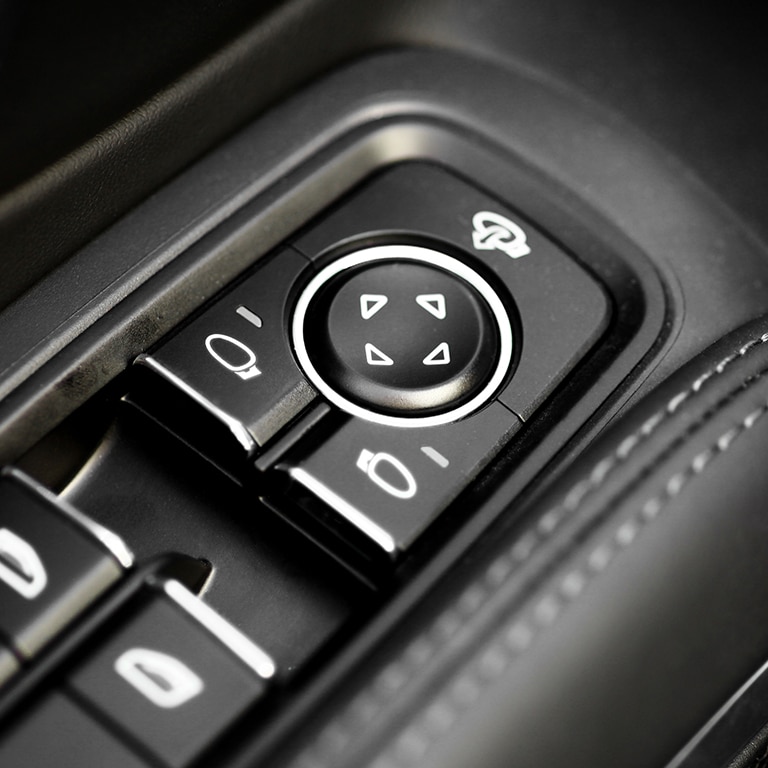
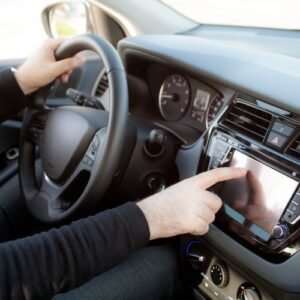
Car Dashboard
Curved plastic parts
Automotive interior trim
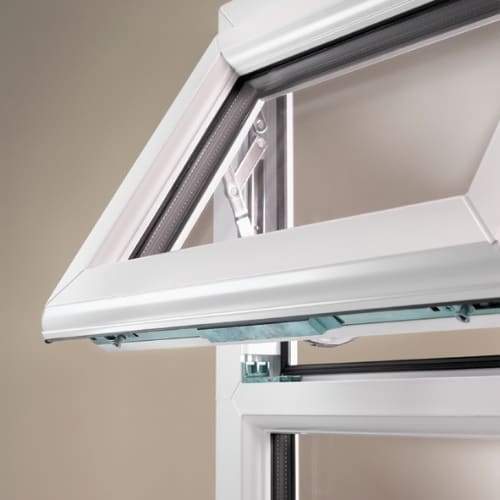
Window Opened
Plastics industry
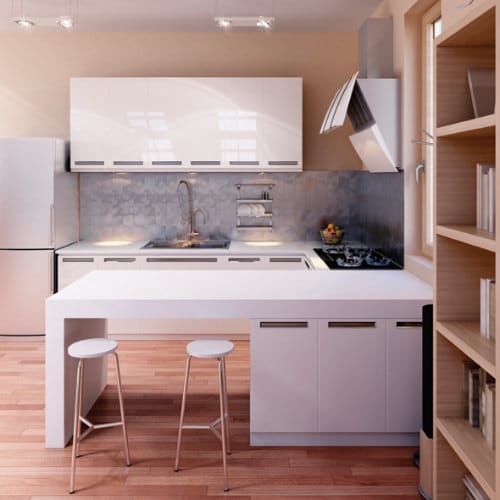
Modern Kitchen
Furniture

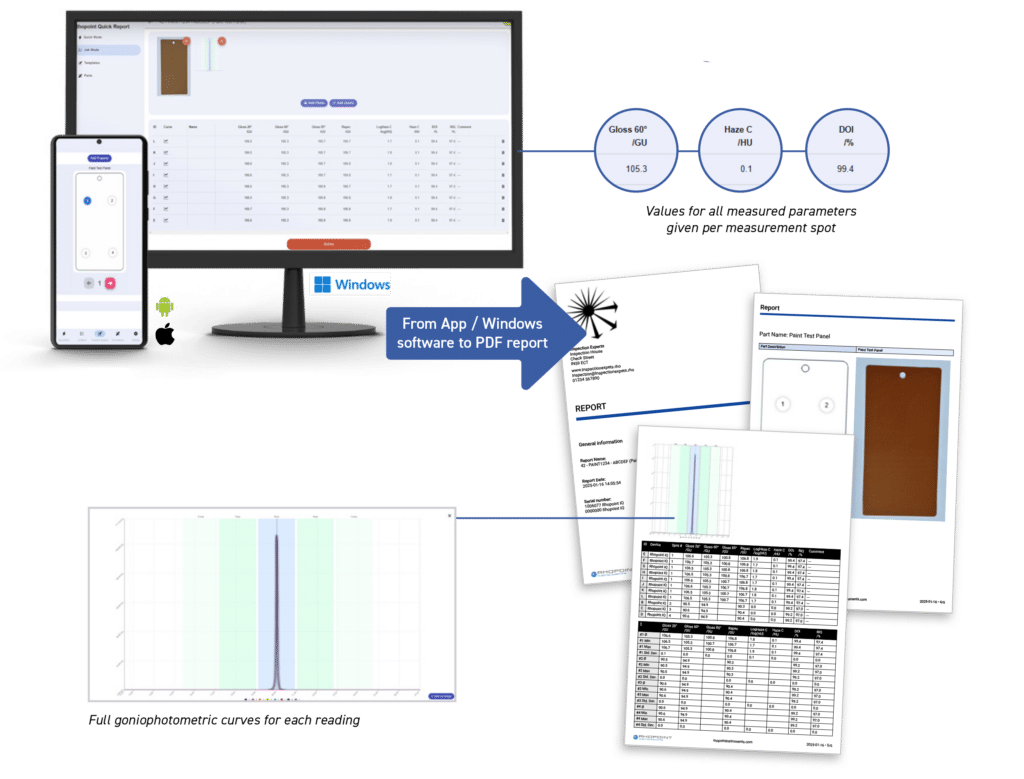
The Rhopoint Quick Report App

The Quick Report App from Rhopoint is a quick and easy to use reporting package designed to enhance the functionality & reporting capabilities

  1. Configure a template of your sample to be tested and add measurement spots.
  2. Make measurements directly into the app.
  3. Readings are transferred from the measurement device to the app via Bluetooth, allowing customised PDF reports to be easily generated.

Specifications

Instrument Specification
OperationFull colour easy to read screen
Adjustable brightness
6 button touch sensitive interface
ConstructionIntegrated calibration holders for error free calibration
MeasurementFast measurement
Results batching with user definable names
Graphical AnalysisOn board trend analysis
Statistical AnalysisMax, min, mean, S.D.
PowerRechargeable lithium ion - 14,000 readings per charge
Memory8MB = 2950 readings
Measurement Area60°6mm x 12mm
Operating Temperature15 - 40° C (60 - 104° F)
HumidityUp to 85%, non condensing
Dimensions & WeightsInstrument80 (H) x 150 (W) x 35mm (D), 392g
Measurement head60 (H) x 110 (W) x 28mm (D),109g
Packed Weight1.6kg
Packed dimensions110mm (H) x 280mm (W) x 220mm (D)
Commodity code9027 5000
GUGUh
Measurement range0-125 GU0 -125 GUh (0-12.5 GU)
Resolution0.1 GU0.1 GUh (0.01 GU)
Repeatability±0.2 GU±0.5 GUh (0.05 GU)
Reproducibility±0.5 GU±2.0 GUh (0.2 GU)
StandardsISO 2813, ASTM D523, ASTM D2457, DIN 67530, JIS 8741, JIS K 5600-4-7
60º: Universal angle – all gloss levelsGUh: Improved resolution for low gloss finishes
*GUh only available for the Novo-Gloss Flex 60 Standard

Order Codes
Novo-Gloss Flex 60A4000-020.2
Novo Gloss Flex 60 XA4000-021.2
Customer adaptor (requires drawing of the
part to be measured in .dxf format)
M4000-505


Standards

ISO 2813, ASTM D523, ASTM D2457 DIN 67530, JIS Z 8741, JIS K 5600-4-7

Free extended warranty

Free extended 2 year warranty: Requires registration at www.rhopointinstruments.com/help-services/forms-feedback/instrument-registration/ within 28 days of purchase. Without registration, 1 year standard warranty applies.

Free light source warranty

Guaranteed for the life of the instrument.

Calibration and service

Fast and economic service via our global network of accredited calibration and service centres. Please visit www.rhopointinstruments.com/help-services/calibration-servicing/ for detailed information.

Flex 60 accessories set

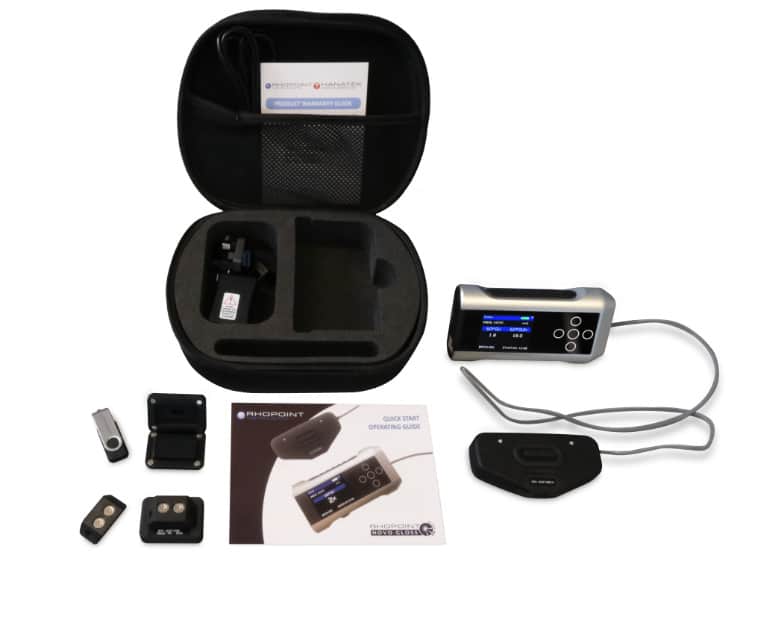
What’s in the box

  • Certified high gloss calibration tiles with certificate
  • Standard measuring head adaptor (fixed)
  • USB data cable
  • USB mains charger
  • USB memory stick containing:
    • Instruction manual
    • Instrument calibration certificate

Related News Articles

Answers to common questions about our instruments and measurements

Examples of low gloss finishes include:

Selecting the correct angle for the application will optimise measurement accuracy. Three types of instruments are available on the market: 60° single angle instruments, a

What is RSpec?

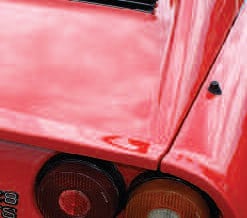
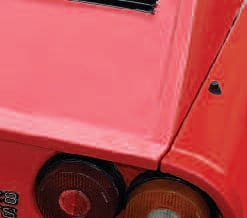
The diagram above shows the same coating applied to two panels, the first has orange peel/waviness present due to the incorrect application setting on the

Email me a price and product summary

Please note, this is NOT a quotation, just a confirmation of the price when purchased in the UK exclusive of VAT/duties

Novo-Gloss Flex 60 X Glossmeter