Why measure gloss?
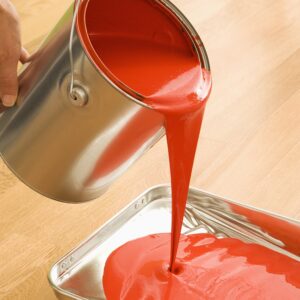
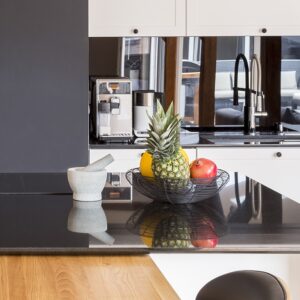
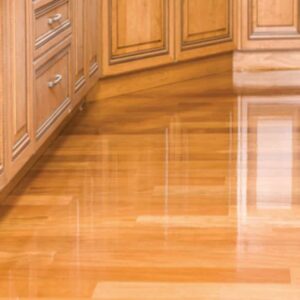
Gloss is an aspect of the visual perception of objects that is as important as colour when considering the psychological impact of products on a consumer.
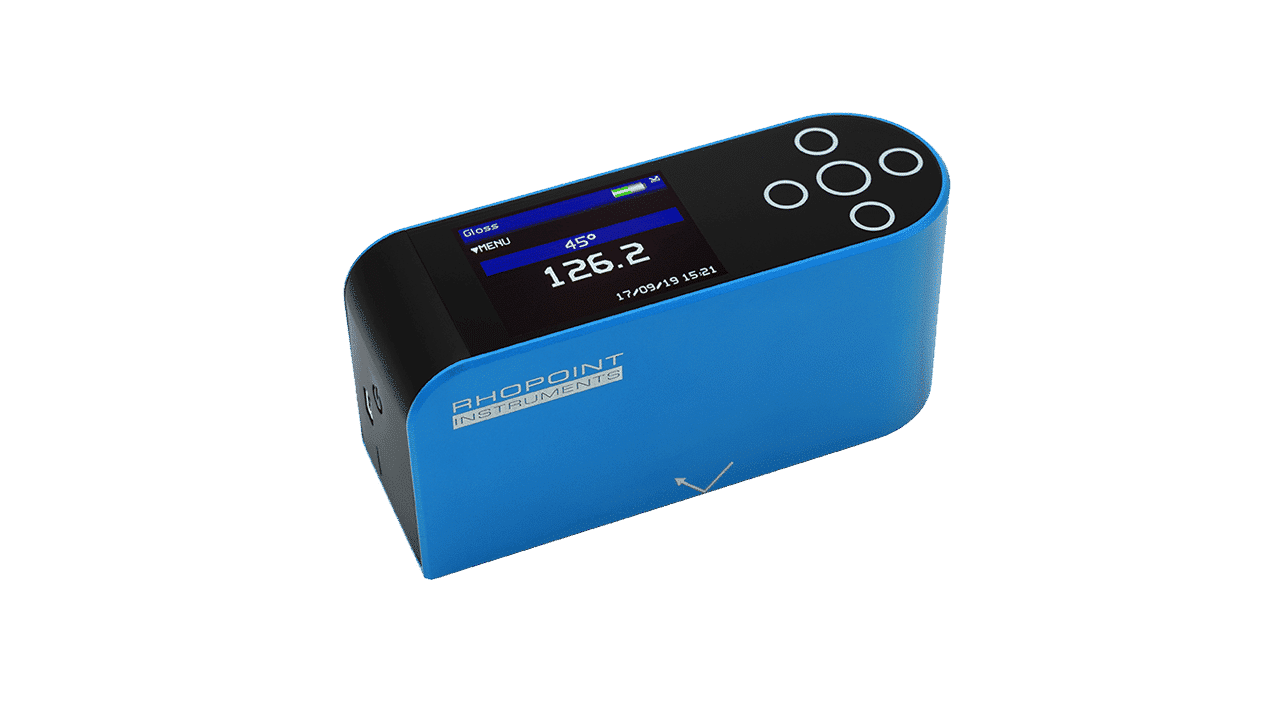
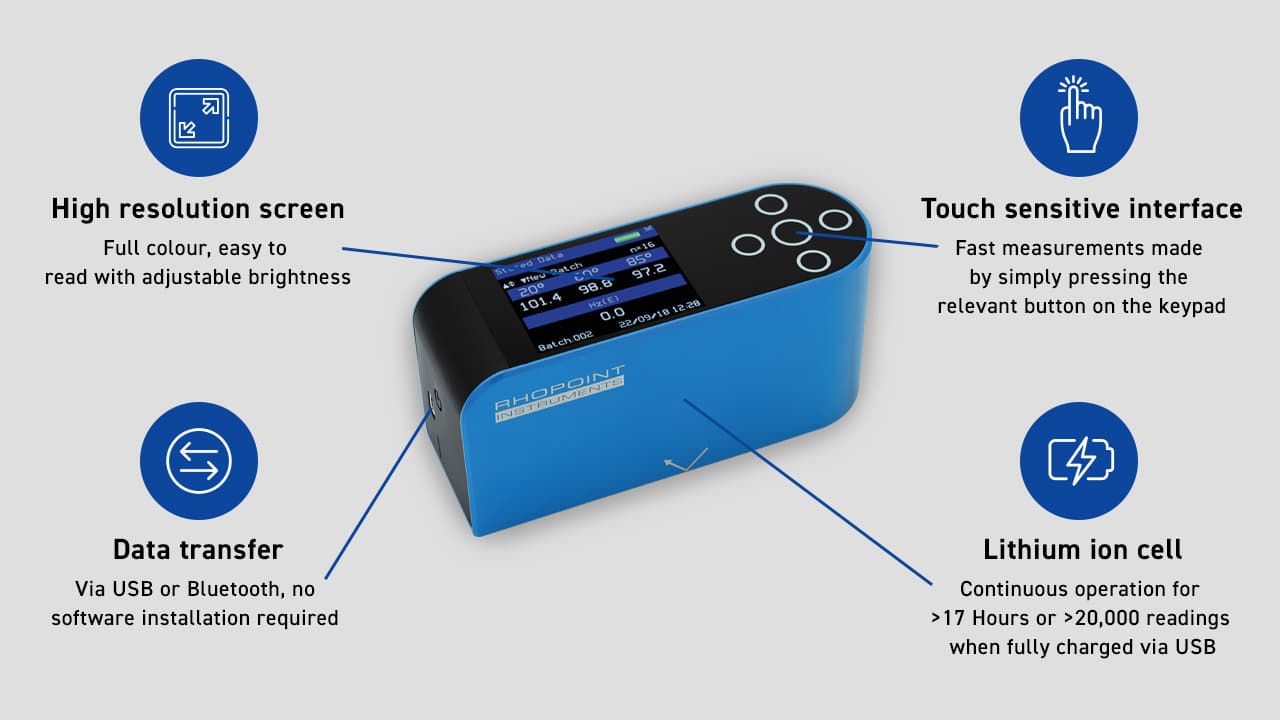
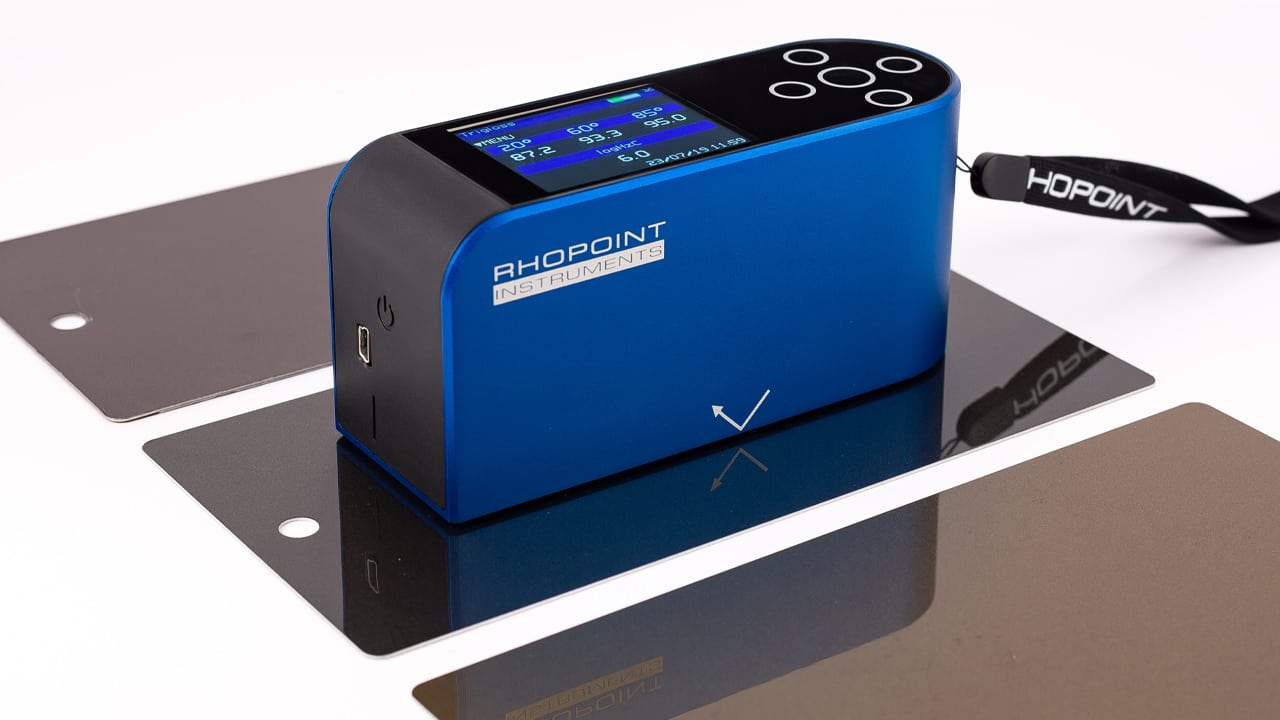
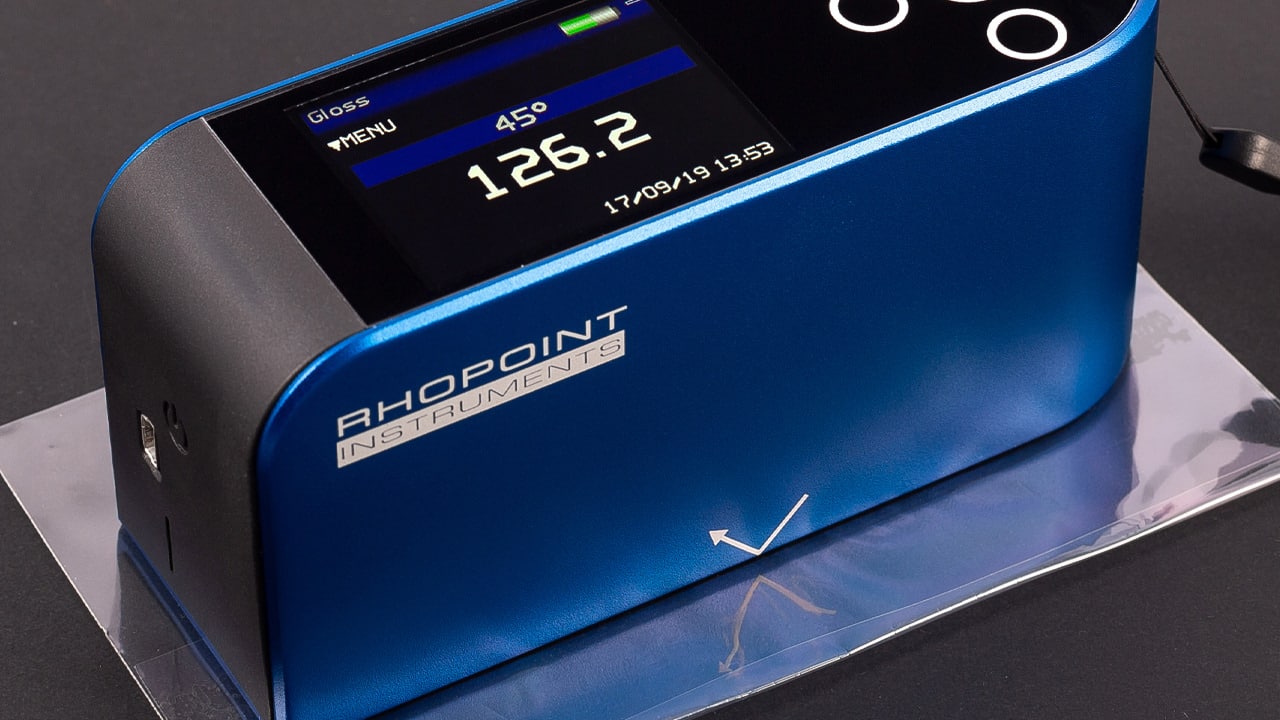
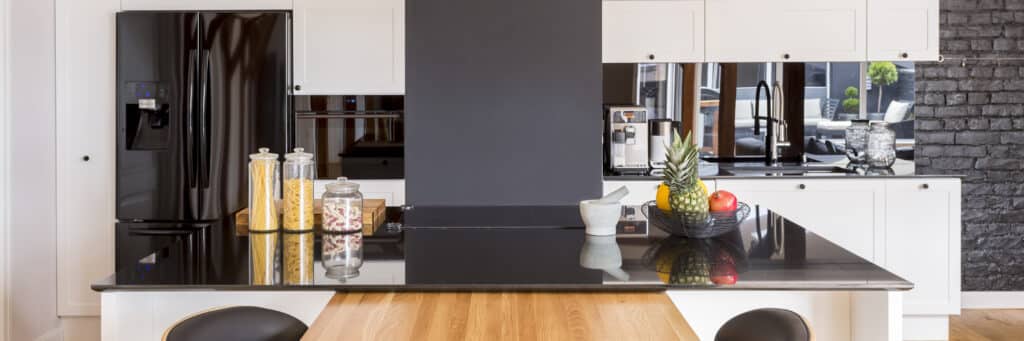


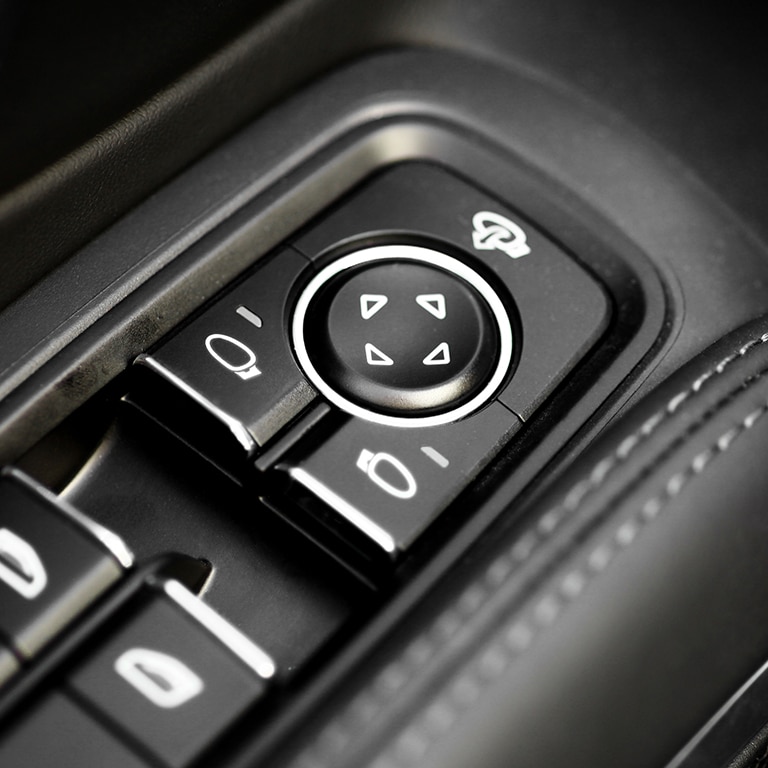
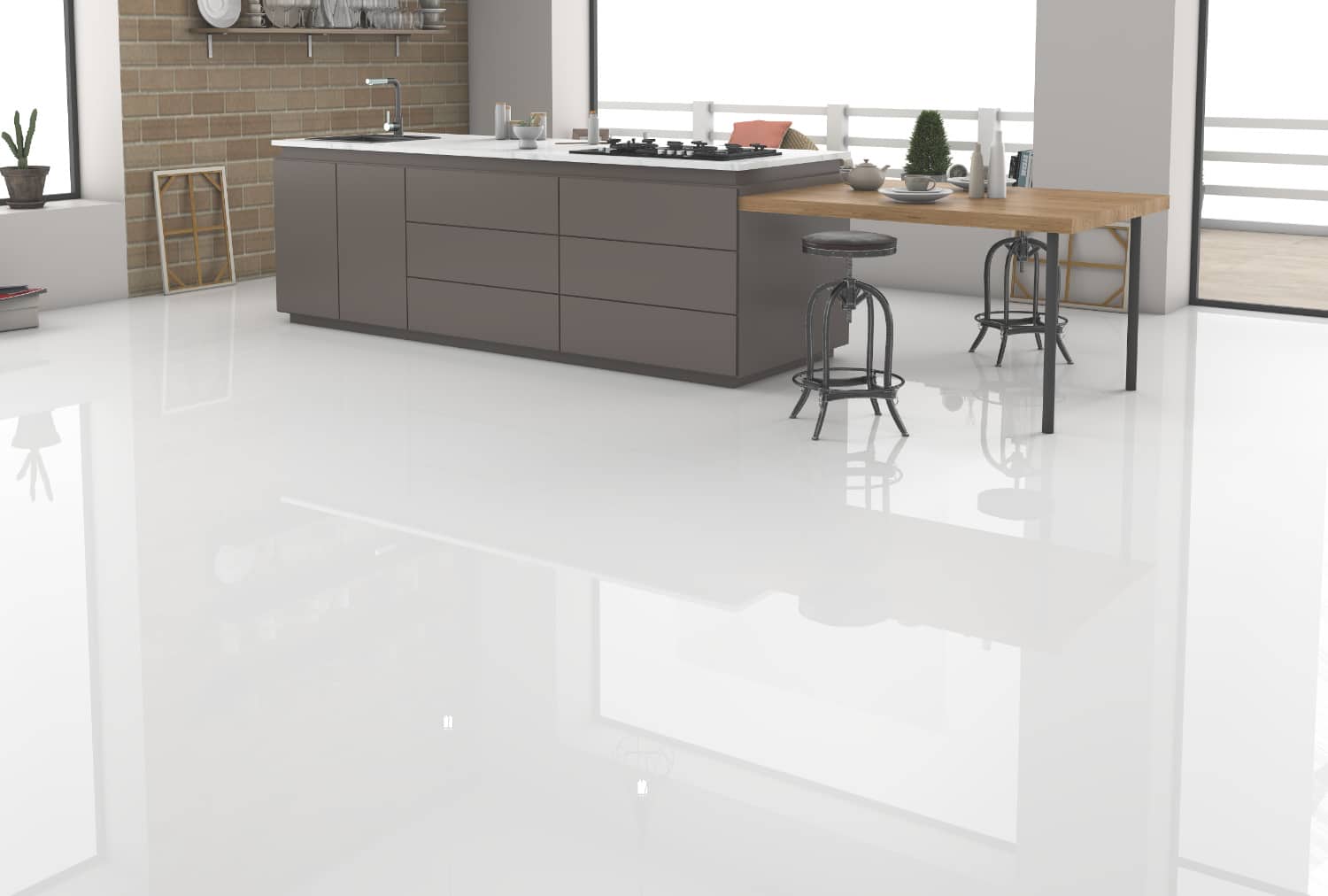

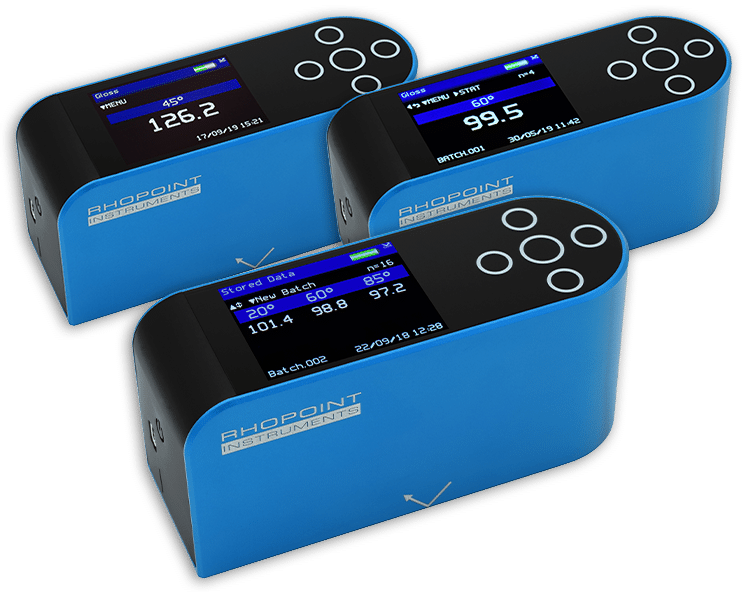
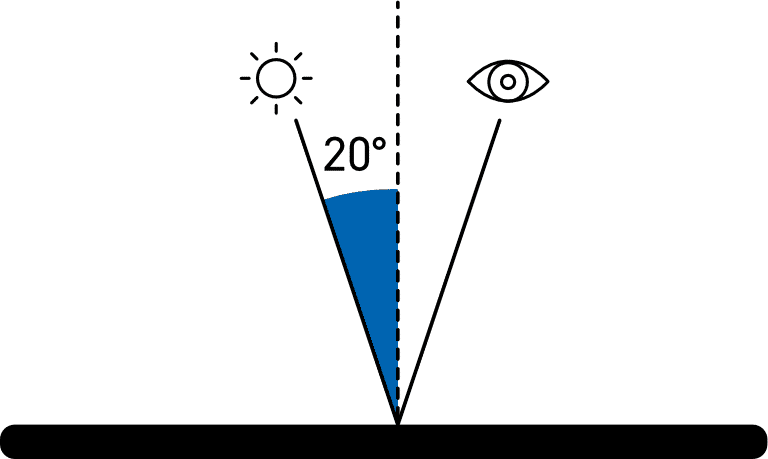
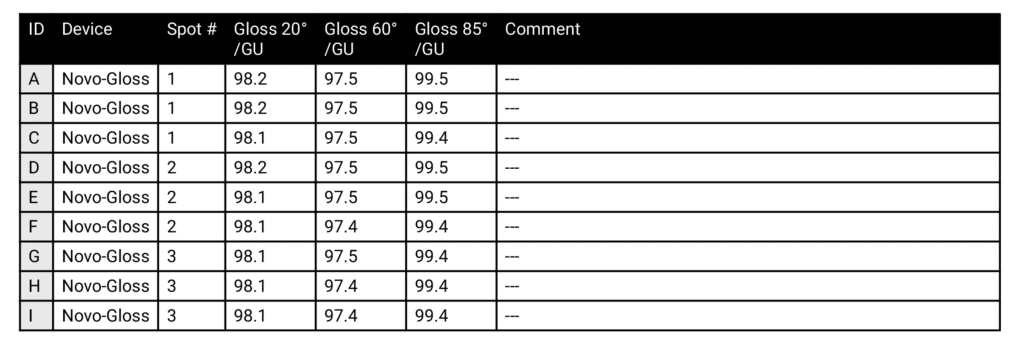
The acute measurement angle of 20° gives improved resolution for high gloss surfaces. Surfaces that measure 70GU and above at the standard angle of 60° are often measured with this geometry.
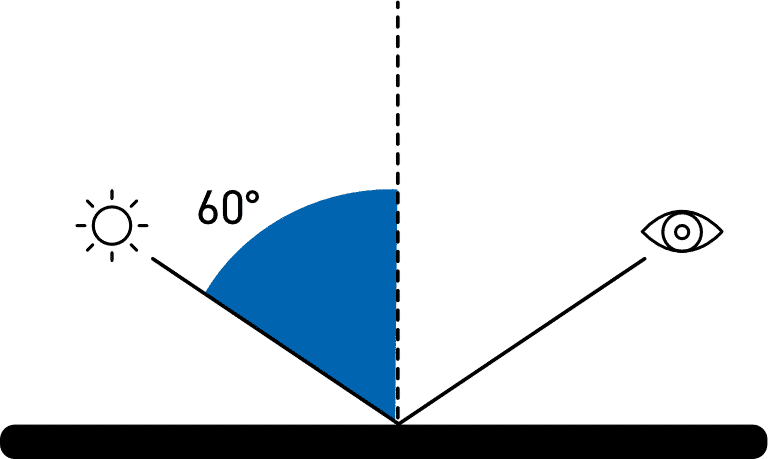
All gloss levels can be measured using the standard measurement angle of 60°. This is used as the reference angle with the complimentary angles of 85° and 20° often used for low and high gloss levels respectively.
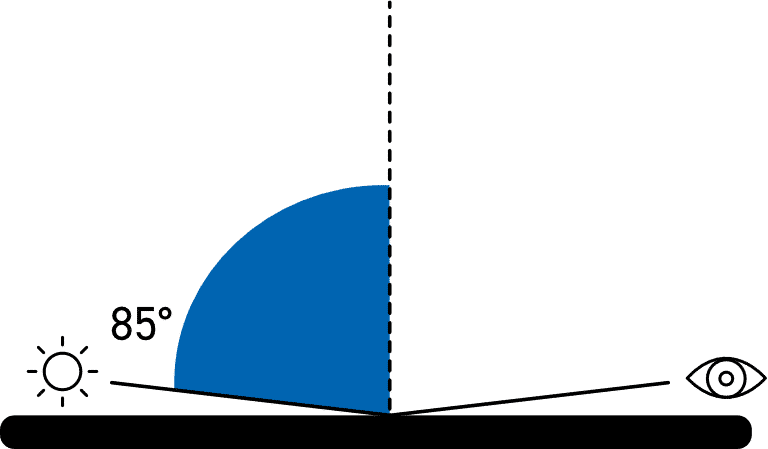
For improved resolution of low gloss a grazing angle of 85° is used to measure the surface. This angle is recommended for surfaces which measure less than 10GU when measured at 60°.
This angle also has a larger measurement spot which will average out differences in the gloss of textured or slightly uneven surfaces.
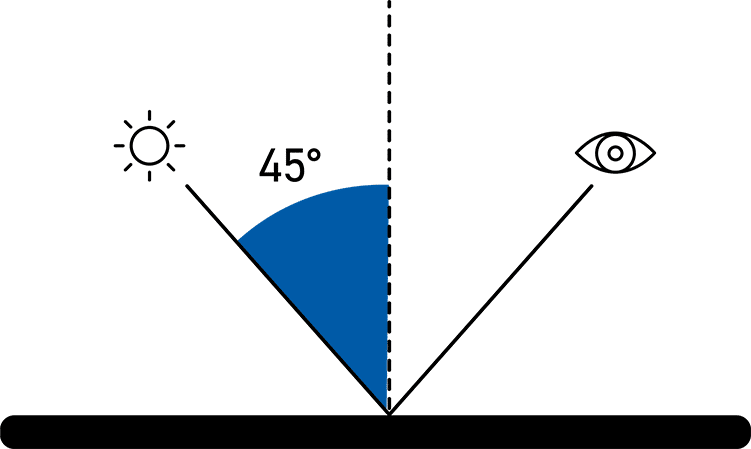
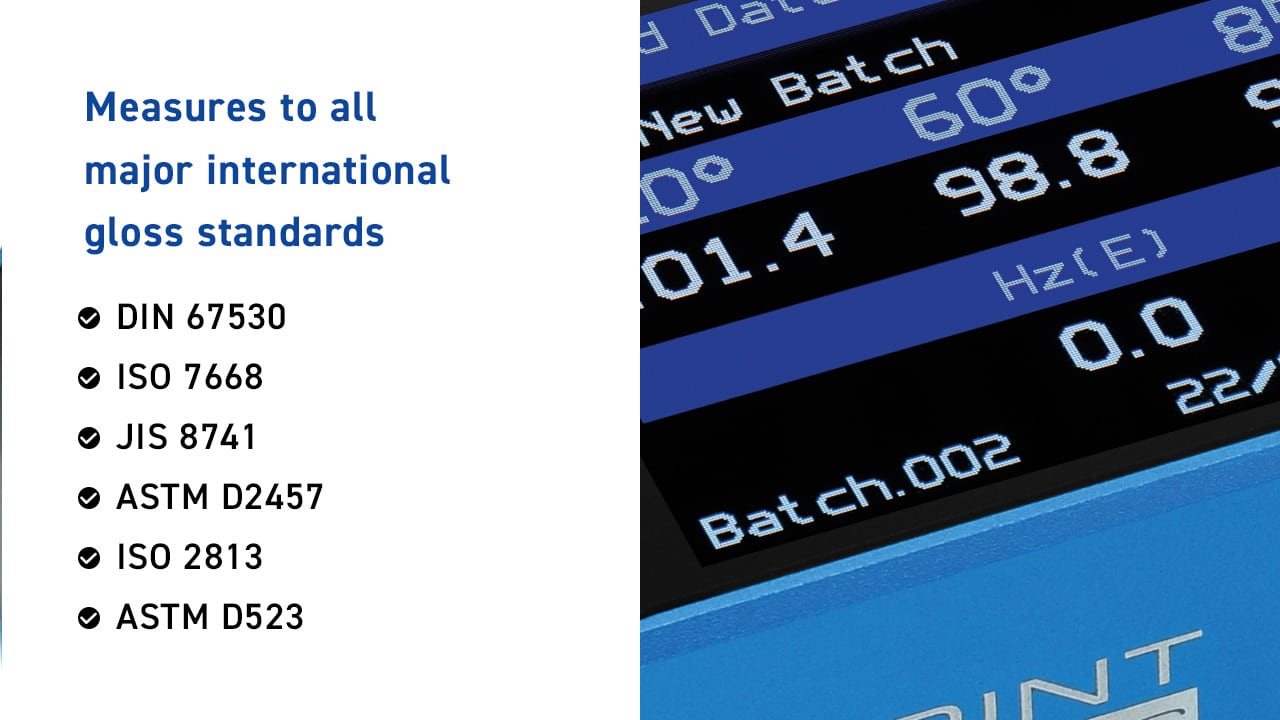
This measuring angle is in accordance with the ASTM D2457 standard for the gloss measurement of plastic films and solid plastic parts as well as according to the standard ASTM C346 for the gloss measurement of ceramics
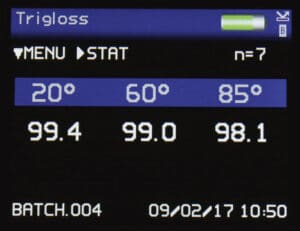
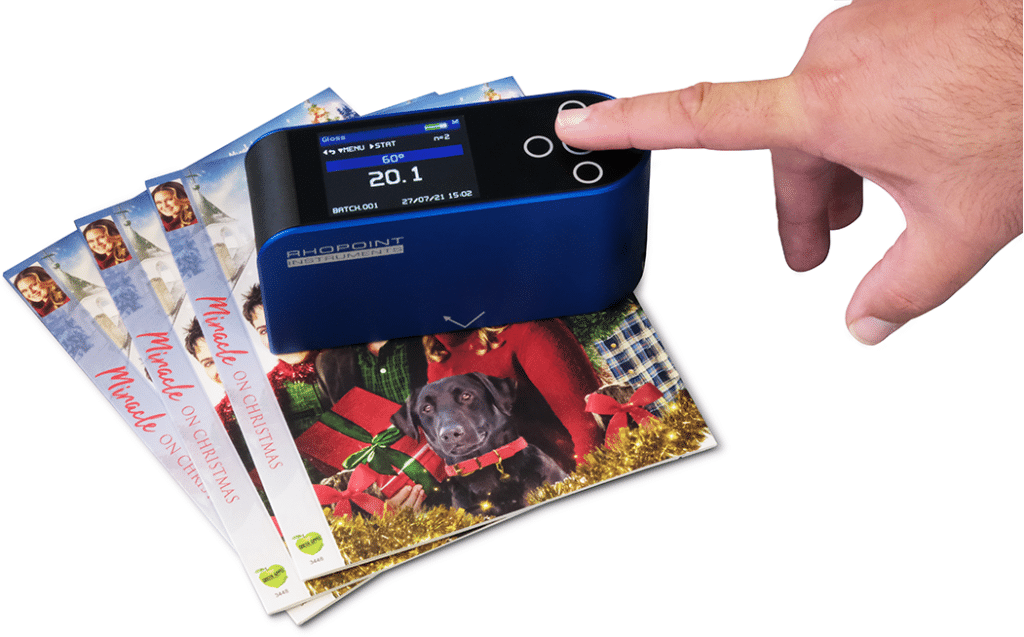
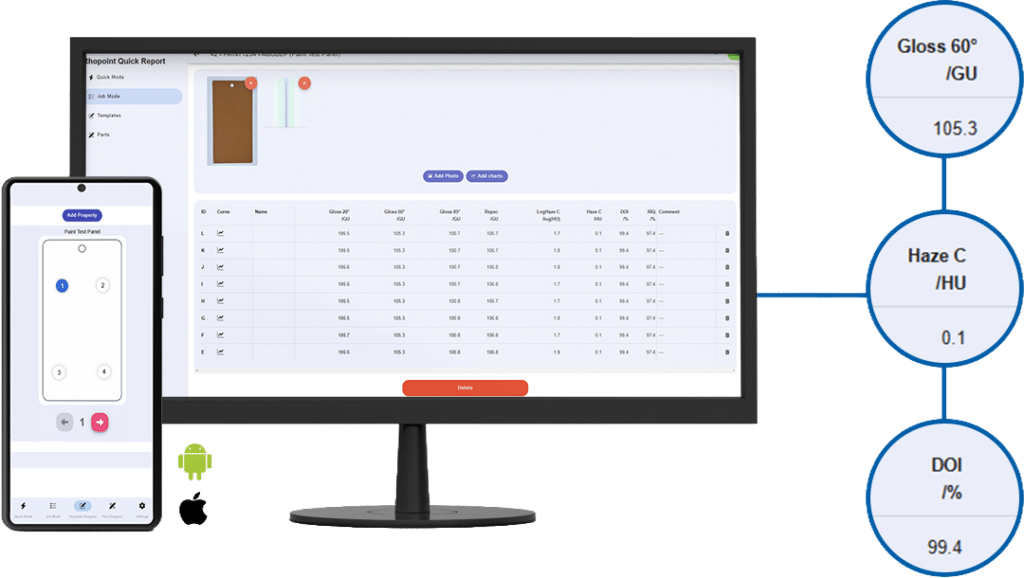
Simultaneous measurement of all parameters in GU or % reflectivity, date and time stamped.
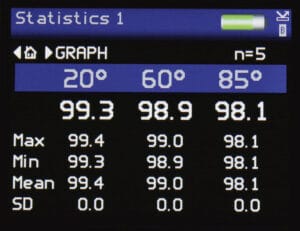
Displays full statistics for the readings in the current batch.
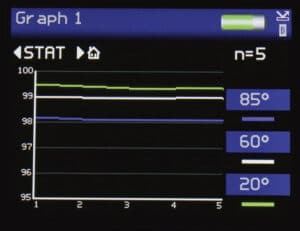
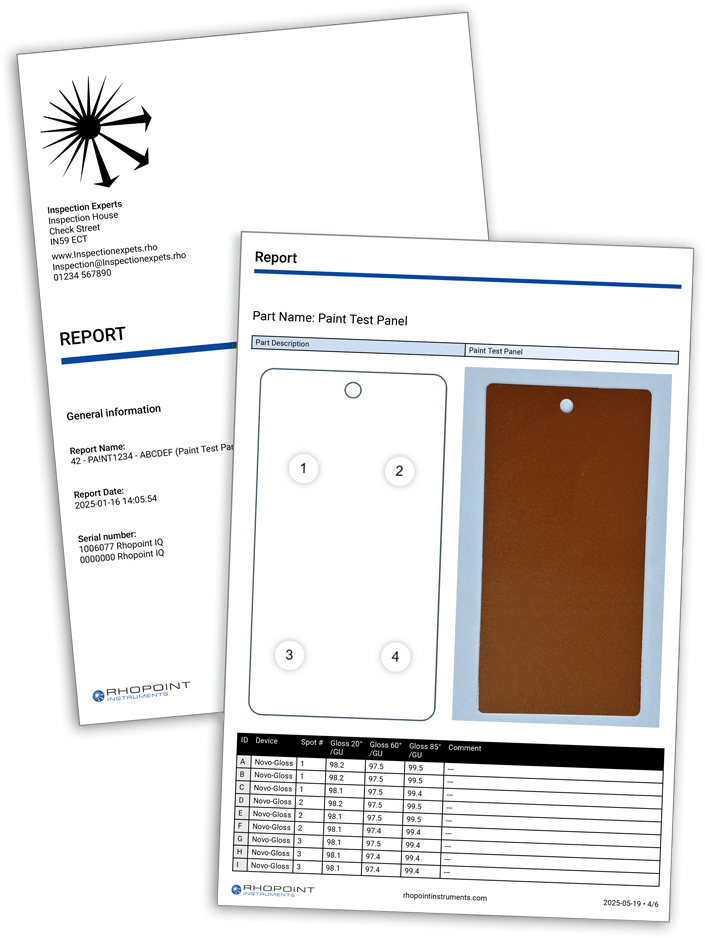
Graphical reporting for quick trend analysis.
Simultaneous measurement of all parameters in GU or % reflectivity, date and time stamped.
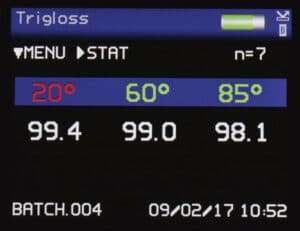
Pass / fail parameters can be defined for instant identification of non-conformances.
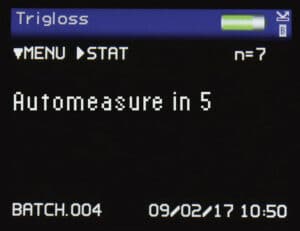
Automatic measurements at pre-defined intervals for easy checking of large surface areas.
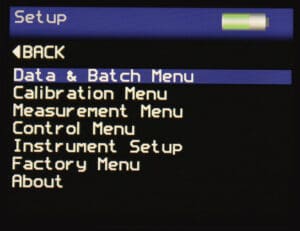
User definable batch names and batch sizes for quicker and more efficient reporting.