Why Buy an ID not a Haze meter or Haze-Clarity meter? FAQs

Table of Contents

FAQ Categories

Rhopoint ID measurements correspond more closely to visual assessment

Why does the Rhopoint ID give results that match visual assessment better than a traditional haze meter?

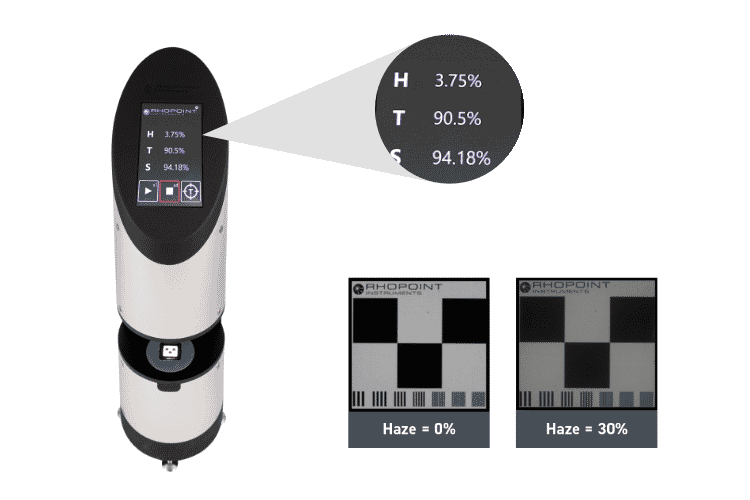
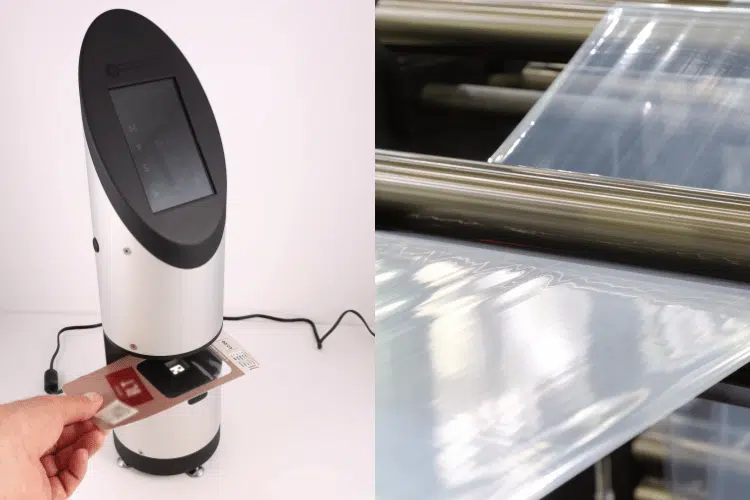
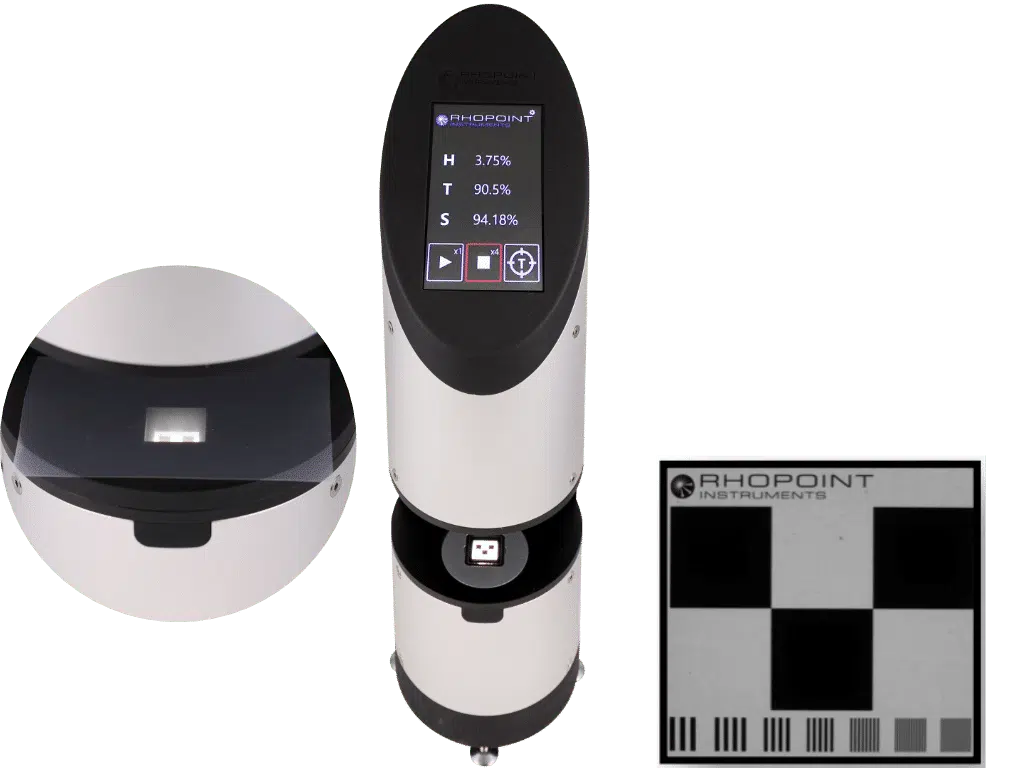
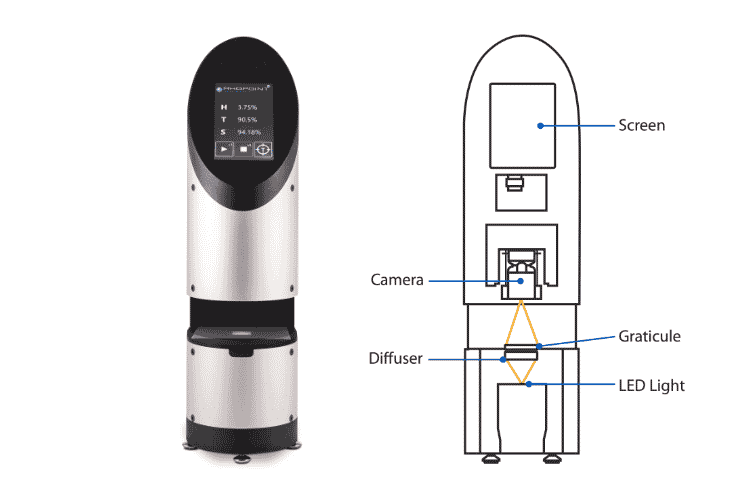
The Rhopoint ID captures and analyses an image of the sample placed in front of a backlit target. This approach matches how an observer views a material and the clarity of an object viewed through it.

Traditional haze-meters measure light scattering, an indirect measurement of appearance that does not fully capture the optical transmission properties of a material.
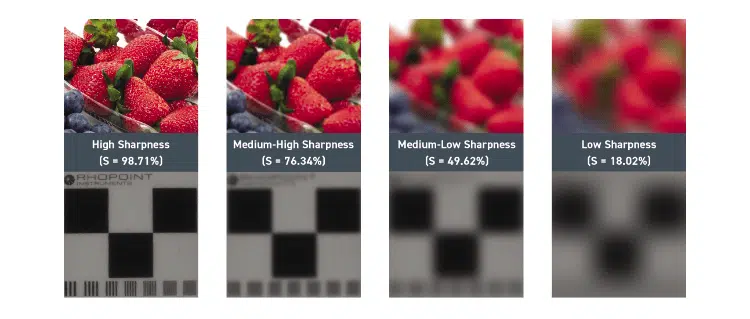
The Rhopoint ID Haze and Sharpness fully describes the transmission appearance of plastics, glass and liquids

What optical properties does the Rhopoint ID measure that traditional haze meters do not?

The Rhopoint ID fully describes the optical characteristics of a sample and how an object will appear when viewed through it.

  • ID Haze (H) describes the contrast of viewed object
  • ID Sharpness (ID) describes blurriness of the viewed object
  • ID Transmission measures the brightness of an object viewed through the material.
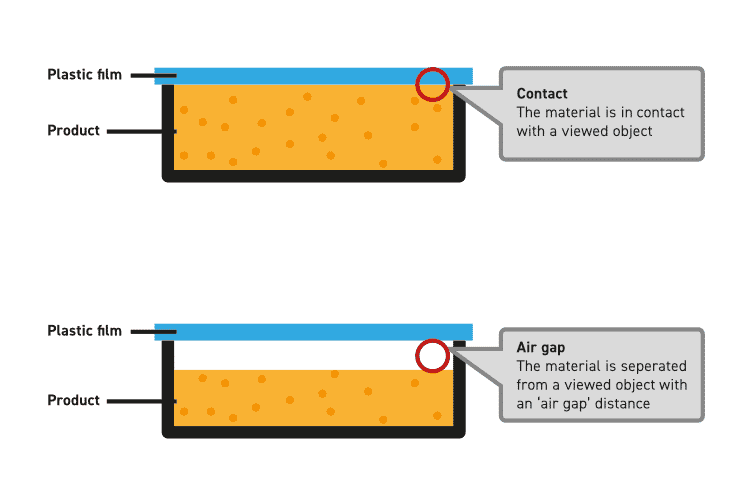
  • ID Haze can be measured at different separation distances between the material and object to match the user’s application

Traditional instruments often only measure haze- this parameter alone is not enough to describe the optical suitability of a material.

Rhopoint ID Haze measurements are closely correlated with ASTM D1003 Haze

Can the Rhopoint ID be used as an alternative to a traditional haze meter for ASTM D1003 measurements?

Rhopoint Haze (H) measurement are compatible with ASTM 1003 measurements made with a traditional hazemeter, the most specified parameter for transparent materials.

The ID can be used to replace a traditional Hazemeter if measurements complying to ASTM D1003 (or ISO) are required.

The Rhopoint ID provides a better defined, more flexible measurement of Haze

How does the Rhopoint ID measure haze, and why is sample-to-object distance important?

The Rhopoint ID measures Haze by quantifying the contrast of a target graticule viewed with the material in contact or with variable airgaps.

The effect of sample-object separation is important- a material can appear fully transparent with perfect contrast at a certain distance but will completely obscure (no contrast) an object with a small increase in displacement.

At 8mm the Rhopoint ID Haze measurement directly correlates with ASTM D1003 Haze.

The Rhopoint ID directly measures Haze in a method that matches the end user application and correlates closely with the visually experience.

The Rhopoint ID Transmittance (Visible transmittance) is a much more relevant measurement than Traditional Hazemeter Transmittance (Total Transmittance)

How does Rhopoint Transmittance (TID) differ from traditional total transmittance measurements?

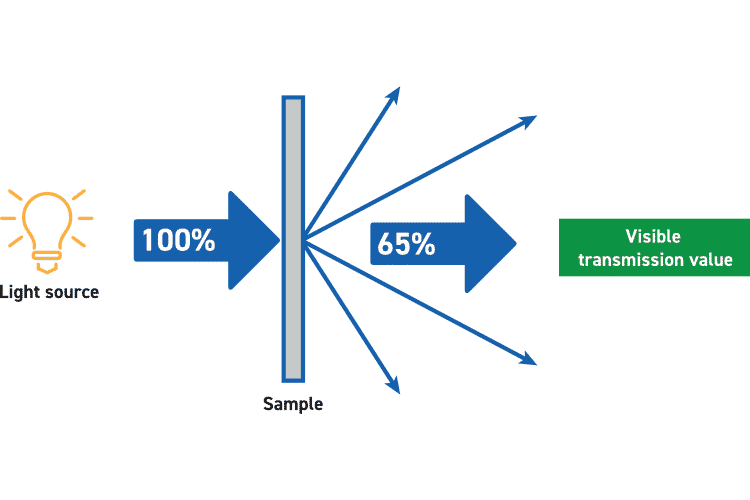
Rhopoint Transmittance (TID) quantifies the amount of light passing through the material and reaching the camera/eye of the observer. This measurement describes the brightness/luminosity of the viewed object and is correlated to how one perceives the quality of the material.
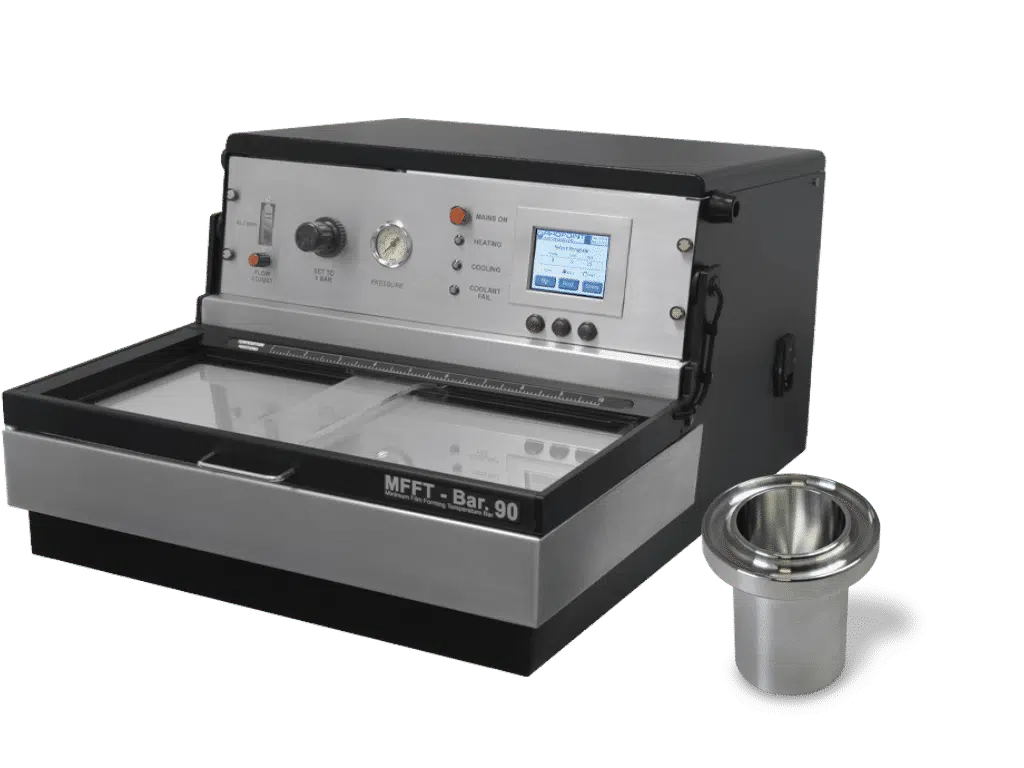
Total Transmittance from a traditional instrument quantifies absorption within the material and is not related to its appearance to an observer.

The Rhopoint ID measures Haze and Sharpness in a single measurement

Why is the Rhopoint ID faster and more convenient than a traditional haze-clarity meter?

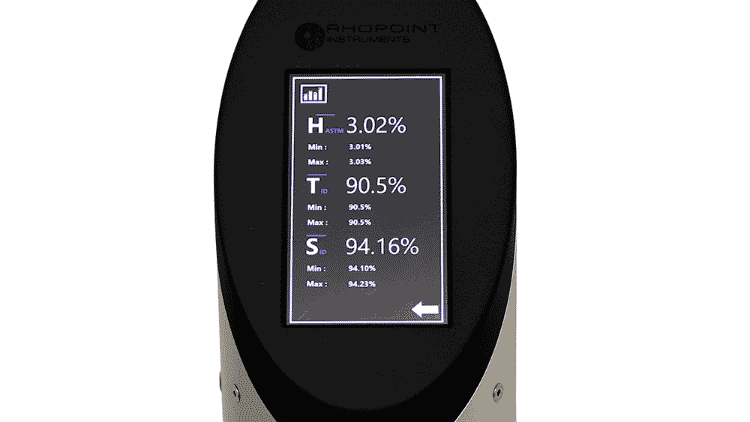
The instrument is configured to measure Haze (ASTM) and sharpness in a single measurement. Simultaneous measurement is much faster and more convenient than a traditional instrument where the sample is measured in two separate operations.

Rhopoint ID is much faster and easier to use than a traditional Haze-Clarity meter.

The Rhopoint ID quantifies directionality

How does the Rhopoint ID measure directionality, and why can’t traditional haze and clarity meters do this?

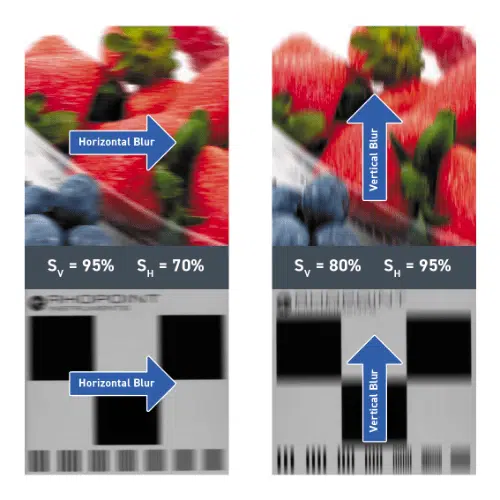
The ID(L) software splits the measurement graticule into 7 separate ID measurement areas and 3 transmission zones allowing horizontal and vertical characteristics to be isolated and variation between the zones compared.

Traditional Haze and Clarity meters can only average results over a large area- it is not possible to measure directionality.

The Rhopoint ID is the only instrument that can assess directionality in a measured sample.

The ID measures small parts

Why is the Rhopoint ID better suited for measuring small parts than traditional haze and clarity meters?

The ID uses a glass target graticule with small sub-measurement zones. The transmission of a single 4x4mm square can be measured- ID can be assessed on a single area of 6x2mm. Traditional Haze and Clarity meters can only measure parts bigger than 20mmx20mm and have an open port into the instrument.

The Rhopoint ID is more suited to small parts than a traditional instrument.

The ID measures non-flat parts

Can the Rhopoint ID measure haze and clarity on non-flat or curved samples?

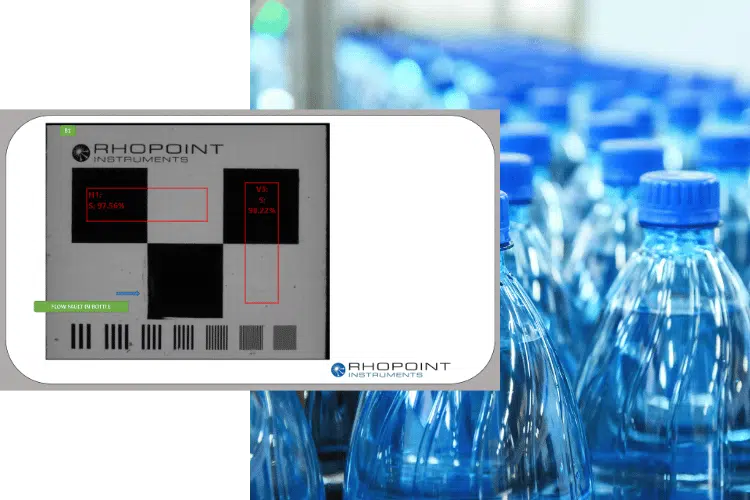
The ID method has been tested on non-flat samples such as PET bottles- once cut different areas of the bottles can be measured easily without the need deform or bend them during measurement.

Measurements of non-flat parts is not possible using the traditional haze method.

The Rhopoint ID has live live view helps locate a measurement area

How does the Rhopoint ID’s live camera view make sample measurement easier than a traditional hazemeter?

The ID (L) software includes a LIVE camera view allowing samples to be positioned in real time- it’s easy to “sharpie mark” an area of interest and manipulating the sample on-camera to the measurement area.

The Rhopoint ID live view makes it easy to measure areas that cannot be accessed on a traditional Hazemeter.

You can’t drop samples (or paperclips) into a Rhopoint ID

Why is the Rhopoint ID safer to use than a traditional hazemeter?

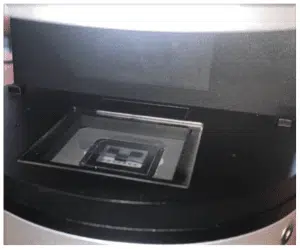
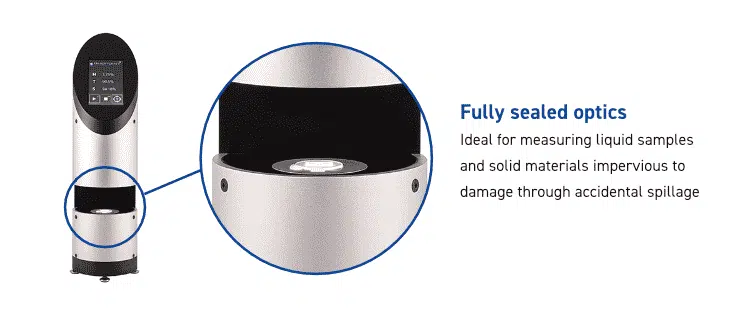
The Rhopoint ID is completely sealed unlike a traditional sphere instrument which has an open port that is a magnet to small objects.

The Rhopoint ID is safer to use than a traditional Hazemeter.

The Rhopoint ID platen is sealed and can be used with liquids

How does the Rhopoint ID allow assessment of sample roughness using liquids?

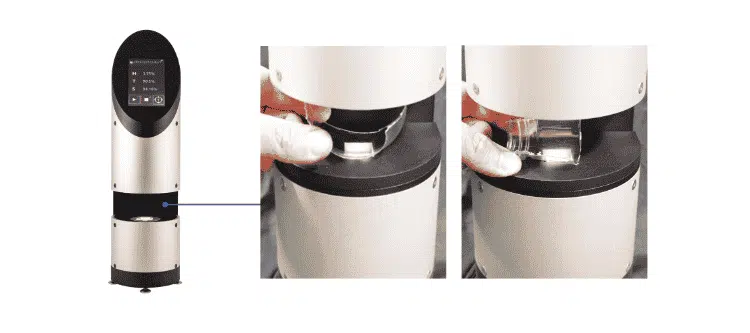
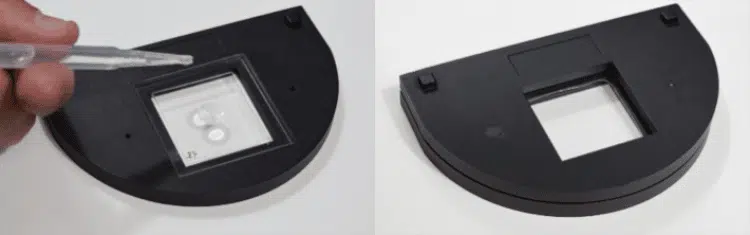
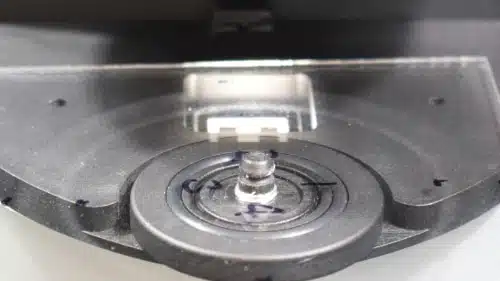
The top platen of the ID and is designed to have liquids placed directly in contact- ideal for using refractive index matched liquids when analyzing the effects of sample roughness on plastic films.

The Rhopoint ID allows fast easy assessment of the effects of sample roughness.

Rhopoint ID measurement images help people understand appearance & quality

How does the Rhopoint ID software help visualize and compare the optical characteristics of materials?

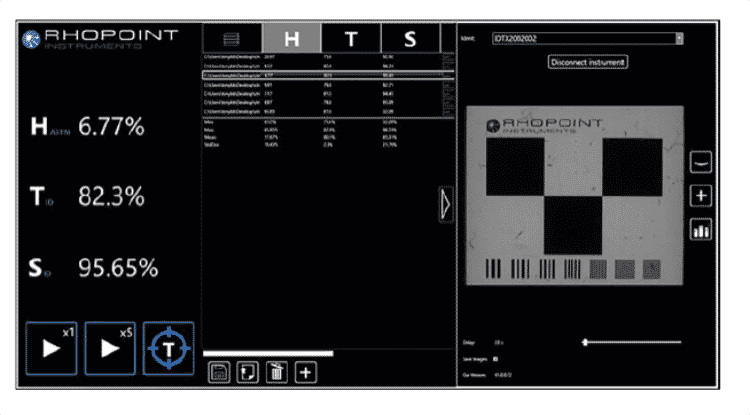
The ID (L) software displays high resolution images of each measurement with a build in visual comparison scale and can be overlaid with measured values. These images directly represent how a sample and object will look under real life conditions and can also record evidence of scratches, voids and imperfections. The software allows multiple images to be opened simultaneously to compare the optical characteristics for different tests or materials.

Rhopoint ID software provides detailed images which help customers really understand the see-through characteristics of materials.

Rhopoint ID software makes report writing easy

What features does the Rhopoint ID software offer for data analysis and reporting?

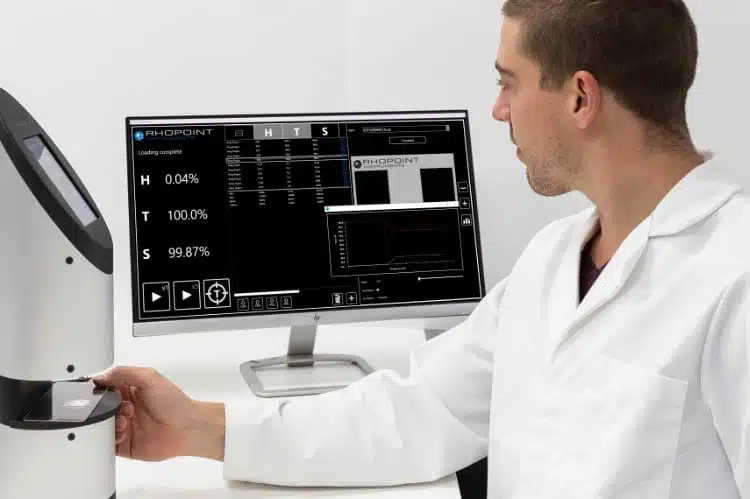
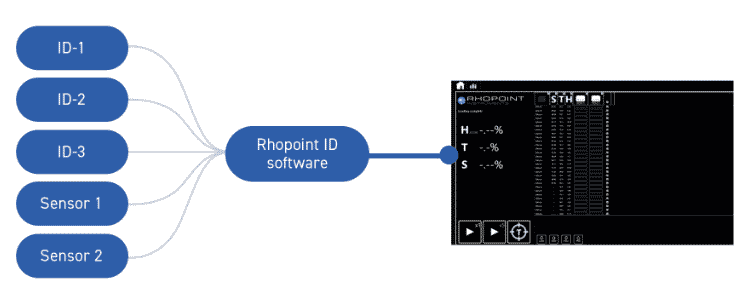
The ID-L is supplied with integrated software that operates the instrument, batches information, calculates statistics, produces graphs and shows measurement images, all elements can be dragged and dropped into reports and excel documents.

All ID data can be saved and recalled for quality assurances.

Rhopoint ID software provides an unbeatable combination of measurements, images, graphs and statistical analysis.

Rhopoint IDs are networkable.

Can Rhopoint ID instruments be networked for remote access and data sharing?

Multiple instruments can be installed and connected to a LAN, ID software is free to install on multiple computers so any computer can run and interrogate results from any instrument.

Fast data sharing and remote operation is possible with Rhopoint ID instruments.

Flexible measurement for multiple applications

What types of materials can the Rhopoint ID meter measure compared to traditional haze and clarity meters?

The ID meter can measure virtually any planar (sheeted material), it is also possible to measure liquids too.

Haze and Clarity meters often require the purchase of additional attachments for alternative applications.

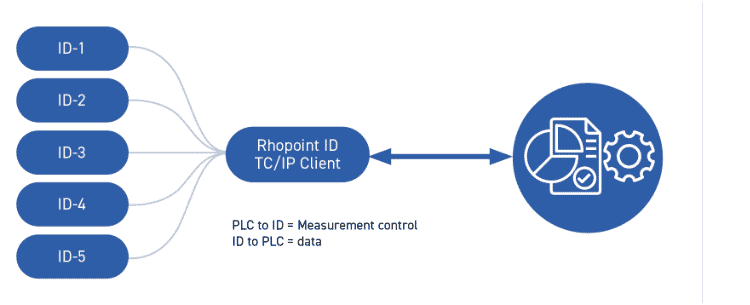
ID measurement is ready for industry 4.0/in-line measurement

Is the Rhopoint ID suitable for fast, inline measurements?

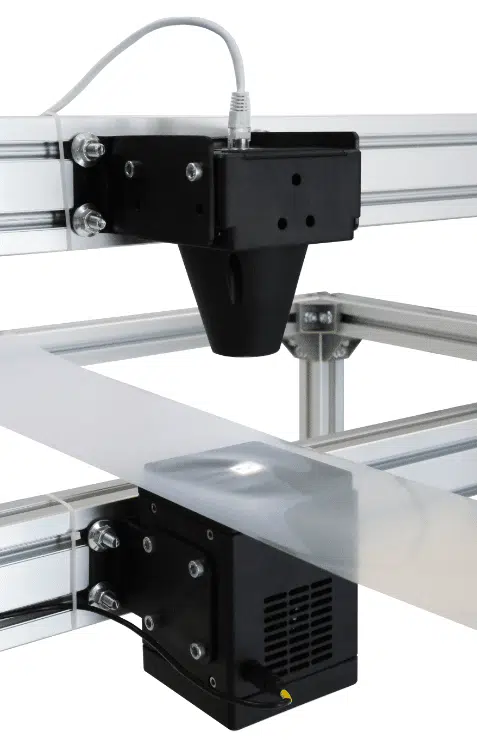
Rhopoint ID measurement is designed for fast inline measure as measurement can be fully non-contact and work at fast line speeds. Sphere instruments are only suited for laboratory measurement.

Rhopoint ID measurement is ready for migration into an inline environment.

The Rhopoint ID represents the cutting edge of measurement technology

What makes Rhopoint ID technology unique and innovative?

Rhopoint ID measurement technology was developed and patented by the materials department of ETH University in Zurich and exclusively licensed to Rhopoint instrumentation.

ID Technology represents a breakthrough in transmission measurement developed in one of the words most prestigious materials analysis departments.

Read the research article: Imaging-Based Metrics Drawn from Visual Perception of Haze and Clarity of Materials. I. Method, Analysis, and Distance-Dependent Transparency

The Rhopoint ID is incredibly good value for money

Why is the Rhopoint ID more affordable and simpler than a traditional haze and clarity meter?

The Rhopoint ID uses modern imaging techniques to measure appearance- this make is much less complicated and cheaper to manufacture than a complicated haze meter with moving parts and an expensive integrating sphere.

A fully loaded ID meter will cost approximately half as much to buy compared with a Haze and Clarity meter.

No moving parts
Eliminates risk of mechanical failure
Stand-alone instrument
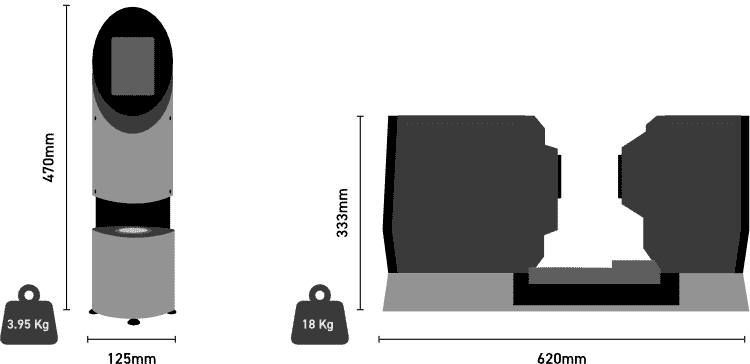
Small footprint reduces space required in laboratory
Lightweight
Easy to move in the laboratory or production line
Resistant and durable
Made from durable, recyclable materials

The ID is great at measuring abraded TABER abraded samples

How does the Rhopoint ID Taber adaptor compare to traditional instruments for abrasion testing?

Rhopoint ID Taber results are compatible with traditional measurements made on other instruments.

Measurement is faster and easier using the Rhopoint TABER abrasion adaptor- the adaptor is much less expensive than the comparative add on for competitive instruments.

FAQ categories

Related products

Email me a price and product summary

Please note, this is NOT a quotation, just a confirmation of the price when purchased in the UK exclusive of VAT/duties

Why Buy an ID not a Haze meter or Haze-Clarity meter?
Rhopoint Instruments
Privacy Overview

This website uses cookies so that we can provide you with the best user experience possible. Cookie information is stored in your browser and performs functions such as recognising you when you return to our website and helping our team to understand which sections of the website you find most interesting and useful.