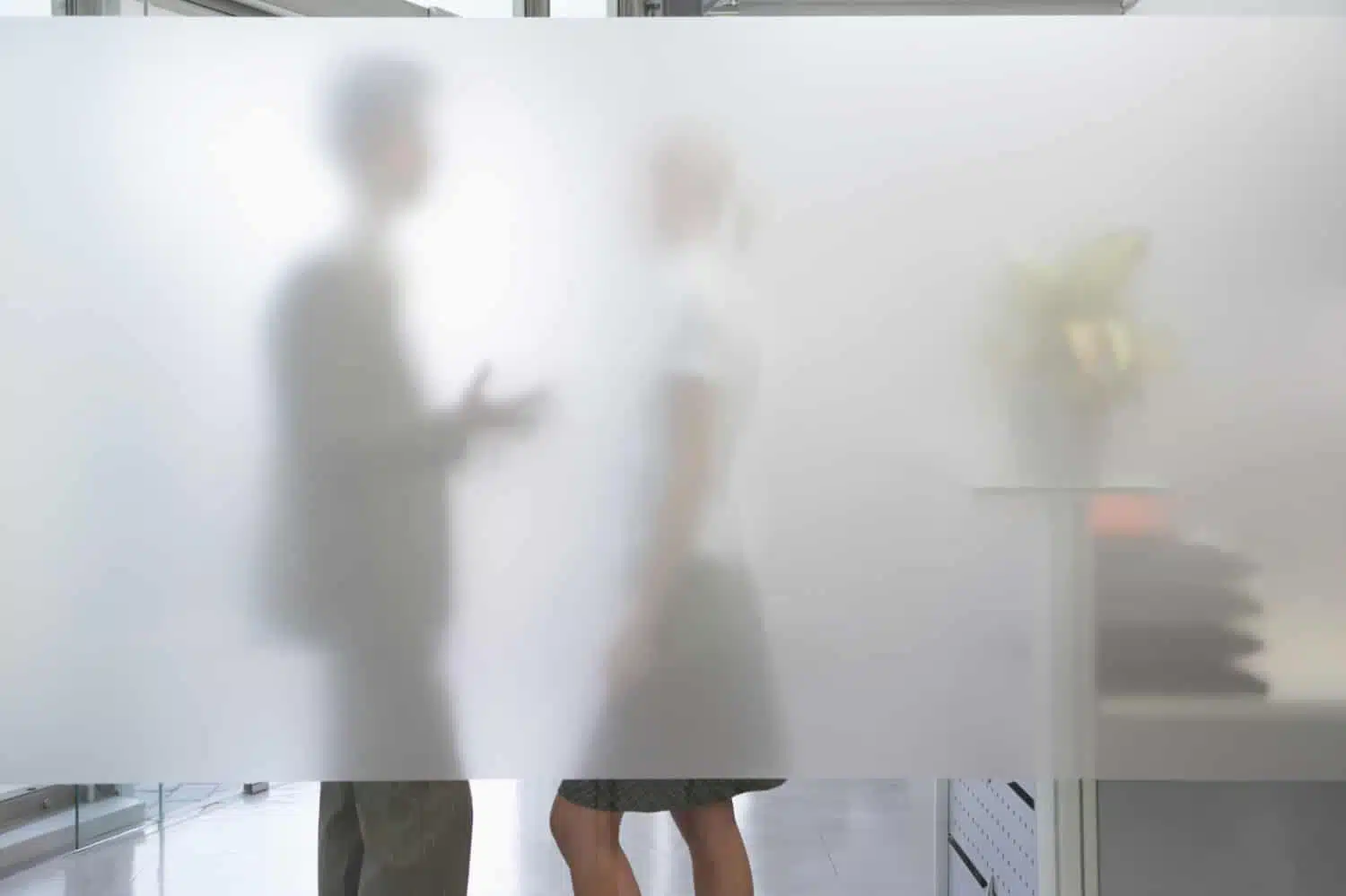
Frosted, etched, sandblasted, textured, patterned or switchable, a whole class of glass is made to obscure what's behind it. How well it does that is an optical property; it comes down to how the glass scatters light, measured as haze, alongside clarity and transmission. Many of these materials already carry a specification built around those numbers.
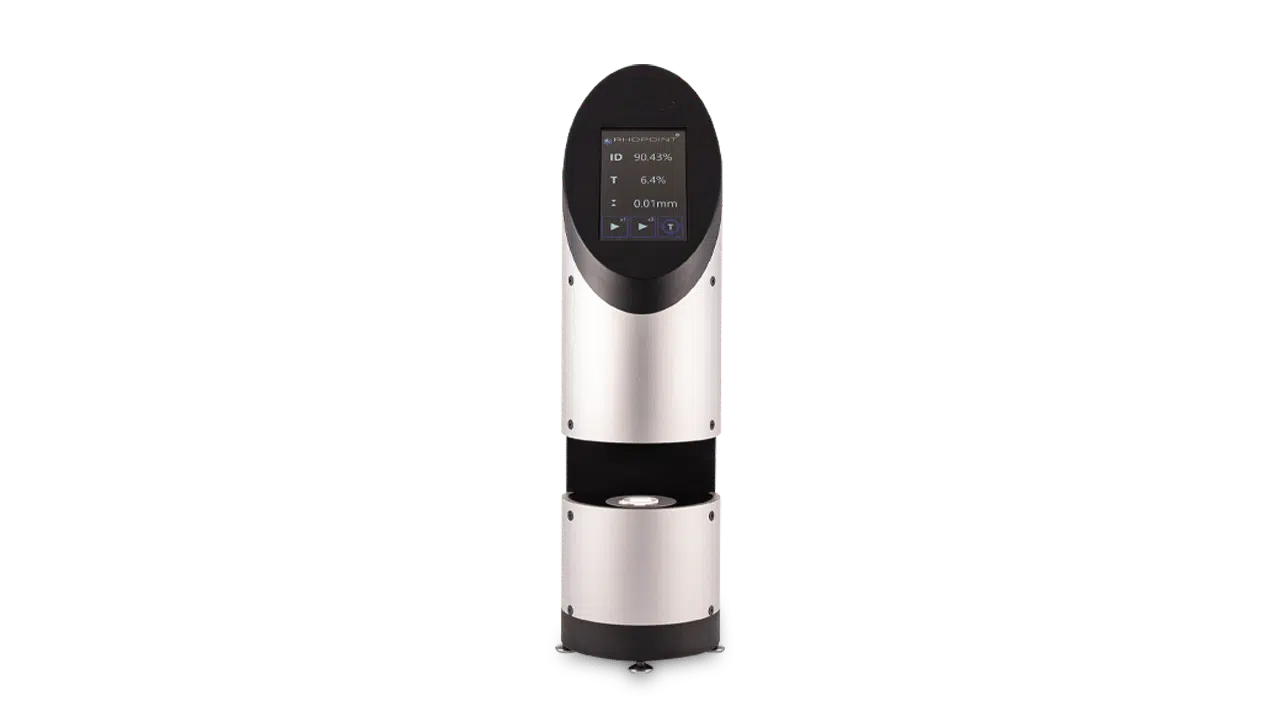
Today they are usually measured with a benchtop haze meter, which is not always the best tool for the job given its size and the parts it can reach. The Rhopoint ID measures the same properties, on a sample or across a full sheet, with a haze value fully compatible with the ASTM D1003 number those specifications use.
See how it's measured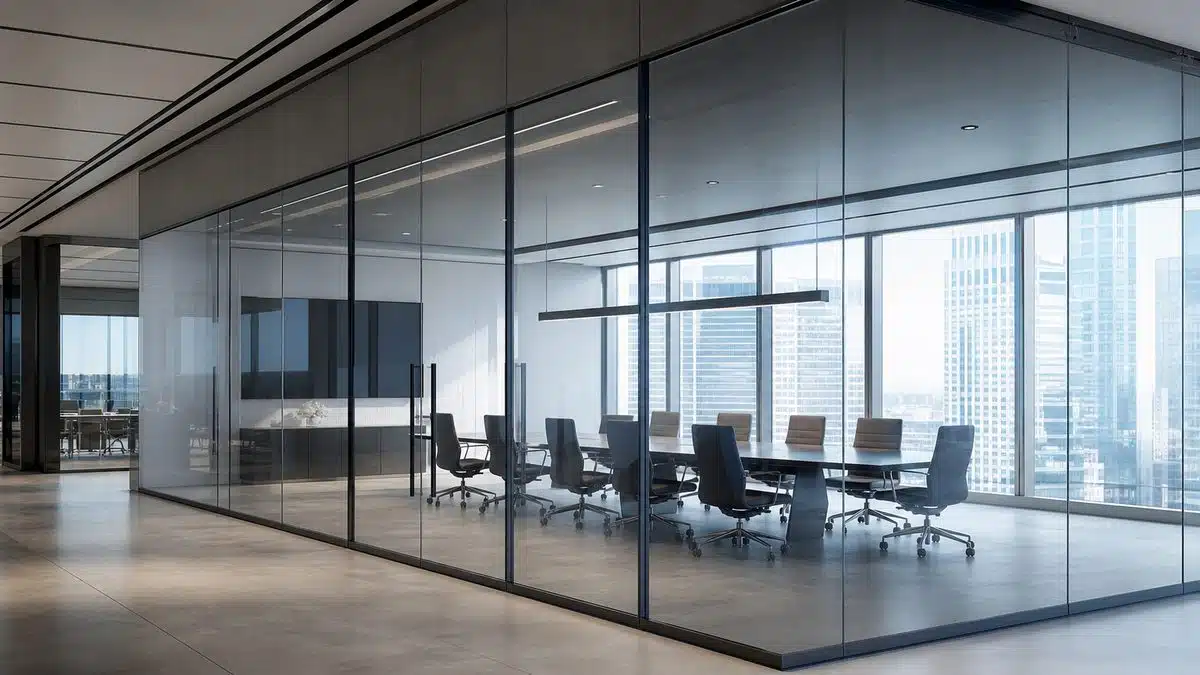
However the glass does it, whether by frosting, etching, texture, pattern or a switchable film, obscuration comes down to scattering light. Haze is the most widely used way to quantify that; it is the number most specifications are written around. Clarity and transmission complete the picture. It is the common measurement across all of them.
Static obscure glass has one job: hide the room. Switchable (e-)glass has two: hide it when off and switch to genuine clarity when on. That second state is where it gets interesting.
Even switched on, the lamination and the liquid-crystal layer can leave residual haze, plus haze that changes with viewing angle, so a panel that looks clear head-on can cloud as you move past it. The Rhopoint ID measures haze across a range of viewing angles, something a conventional hazemeter cannot do; it captures both the obscuring (off) state and this residual, angular haze in the clear (on) state.
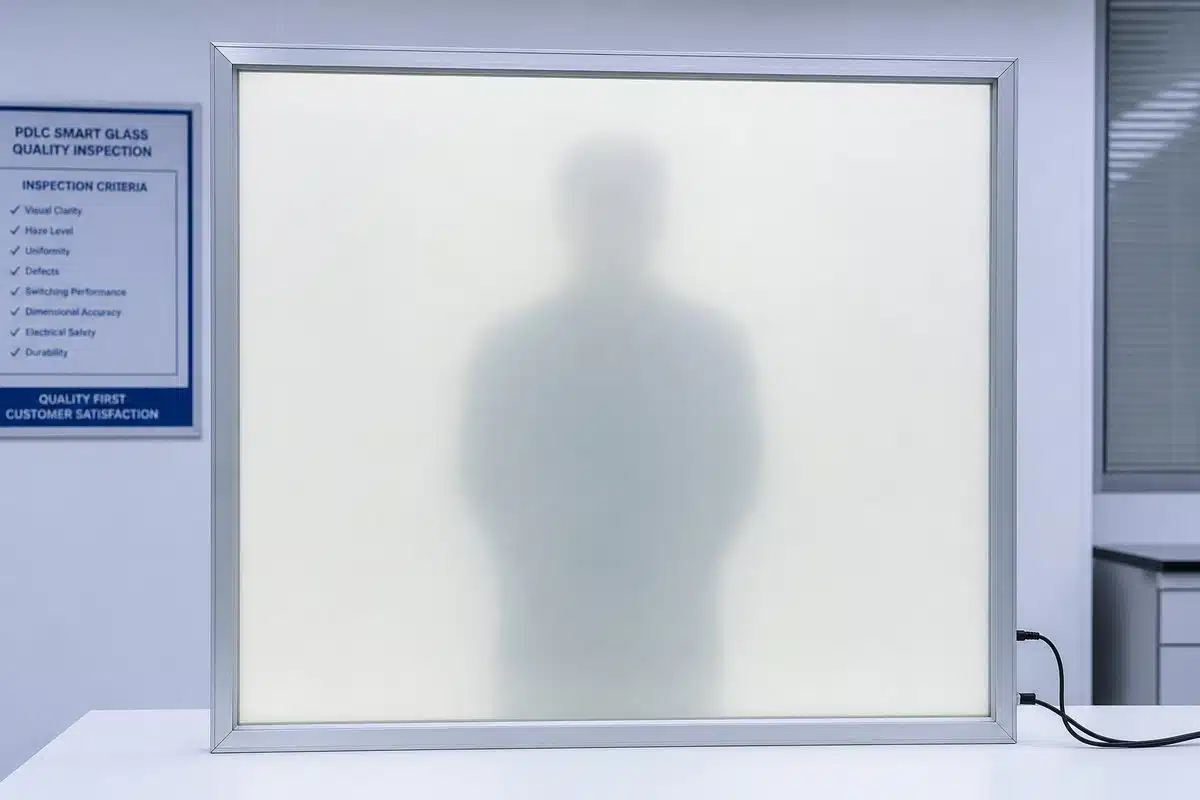

The usual method is a large, heavy benchtop instrument with a restrictive measurement aperture; the glass has to be brought to the instrument. On a large pane, only a strip near the edge can reach the measurement point, never the centre, where someone will actually look through it.
Haze to ASTM D1003 is the number written into almost every glass specification; the Rhopoint ID's haze measurement is 100% compatible with it. What a single sphere-measured value cannot capture is the finer detail of how heavily obscure glass scatters, or how that changes with viewing angle; that is what decides how much can be seen through it.
Every step either sets an expectation or is asked to meet one. With no number taken in production, accountability drifts to whoever has the least leverage, usually after the glass is installed.
The same imaging measurement from the R&D bench to the production floor, giving a repeatable number on how well the glass obscures and on how clear it really is.
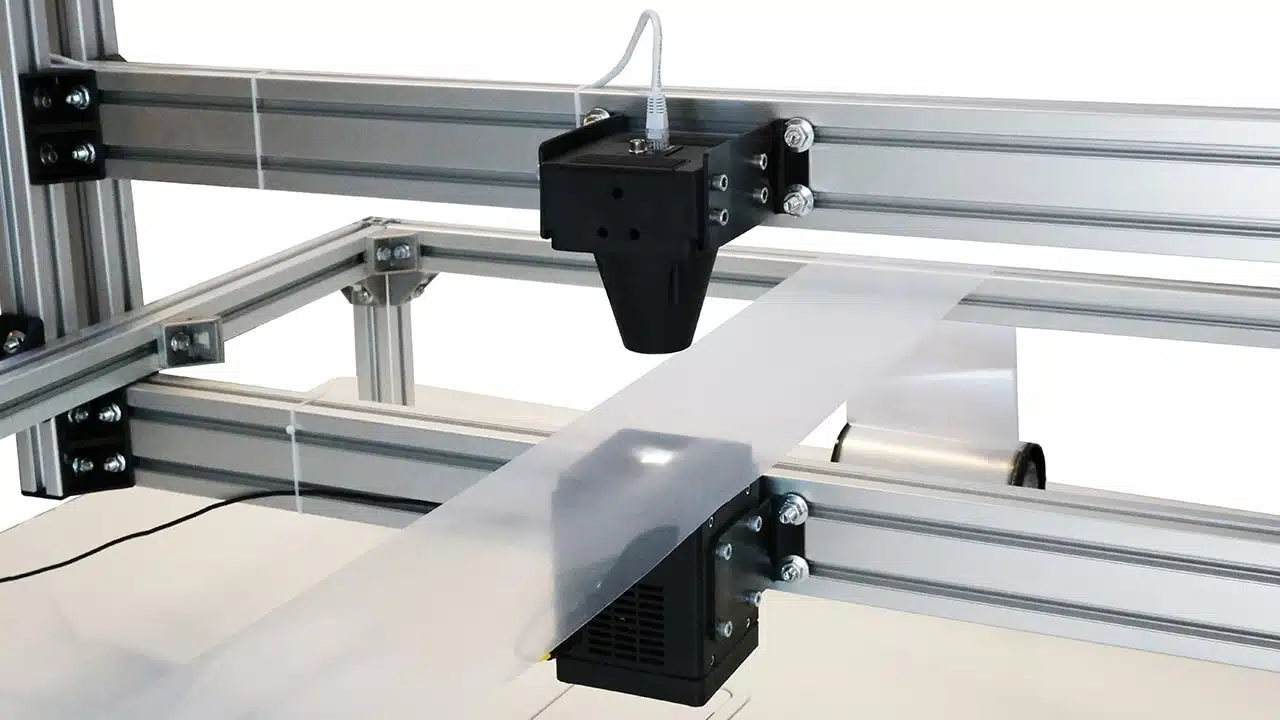
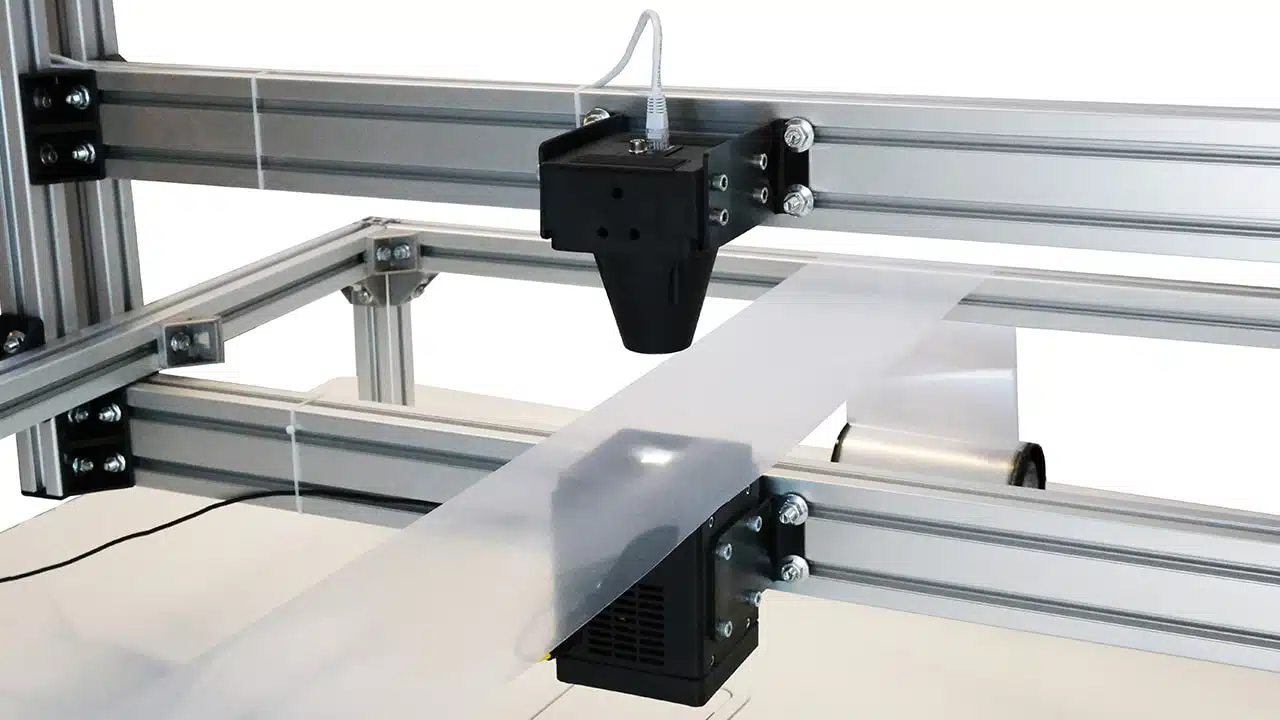
Haze, clarity, transmission, sharpness and waviness in a single imaging pass. On switchable glass, measure both states; on obscure and textured glass, put a number on how well it hides what's behind it, on a sample or across a full sheet with the ID In-line.

Before a sheet of glass, a coating or a switchable film enters your line, know whether it meets the figure you expect. The Rhopoint ID gives ASTM D1003-compatible haze and transmission measurement for incoming QC, so out-of-spec material is caught before it reaches production, then the same instrument checks the unit at every stage after that.
High-value glass, a multi-party supply chain and disagreements that are expensive to resolve; the case for an objective number is unusually clear.
Rhopoint instruments are already measuring glass in production and R&D facilities across North America, Europe and Asia.
Ship a piece of your glass, whether obscure, textured or switchable. We measure haze and clarity (both states where relevant) and return a report on your actual product. We can also bring the instrument to you and demonstrate on site.
In a short call we walk through what the measurement shows (haze, clarity, uniformity) and map it to your process and the figure you want to hold.
The Rhopoint ID on the bench for samples and finished units, the ID In-line across full sheets in production, both feeding one traceable record.
Contact us to arrange a demonstration, or a sample test using your own samples.